The Ultimate Guide to Planning a Destination Wedding in Europe
weddings
from the desk of Mari

A thoughtful, experience-first approach to timelines, budgets, and planning with intention.
This guide is updated regularly to reflect current destination wedding planning insights and industry changes.
Planning a Destination Wedding in Europe
Planning a destination wedding in Europe is an invitation to slow down and be intentional. With centuries-old venues, layered cultures, and landscapes that feel both grounded and poetic, Europe offers an extraordinary setting for couples who value meaning over spectacle.
Yet planning from afar can feel complex. There are decisions around vision, budgets, venues, legalities, guest logistics, and design—each interconnected and deserving thoughtful attention.
This guide is designed to gently walk you through how to plan a destination wedding in Europe with clarity, structure, and a calm sense of direction.
Quick Guide: Planning a Destination Wedding in Europe
- Best time to get married: April–June and September–October
- Ideal planning timeline: 12–18 months
- Typical budget range: €20,000–€150,000+ depending on guest count and design
- Legal vs symbolic ceremony: Symbolic ceremonies are often the simplest choice
- Hiring a planner: Recommended for couples planning internationally

Why Choose Europe for a Destination Wedding
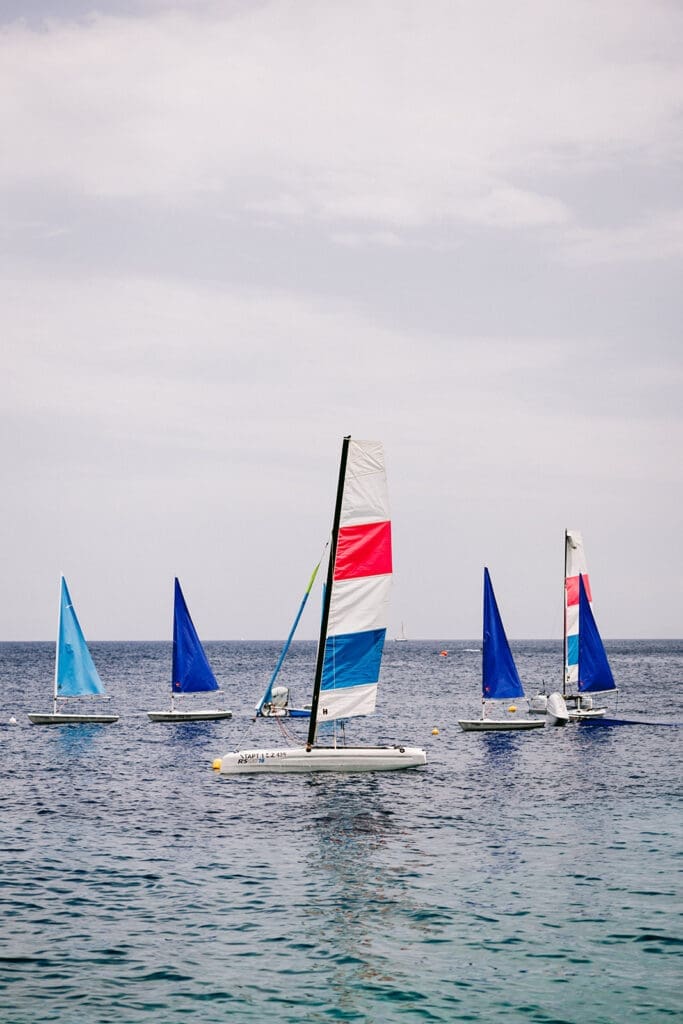
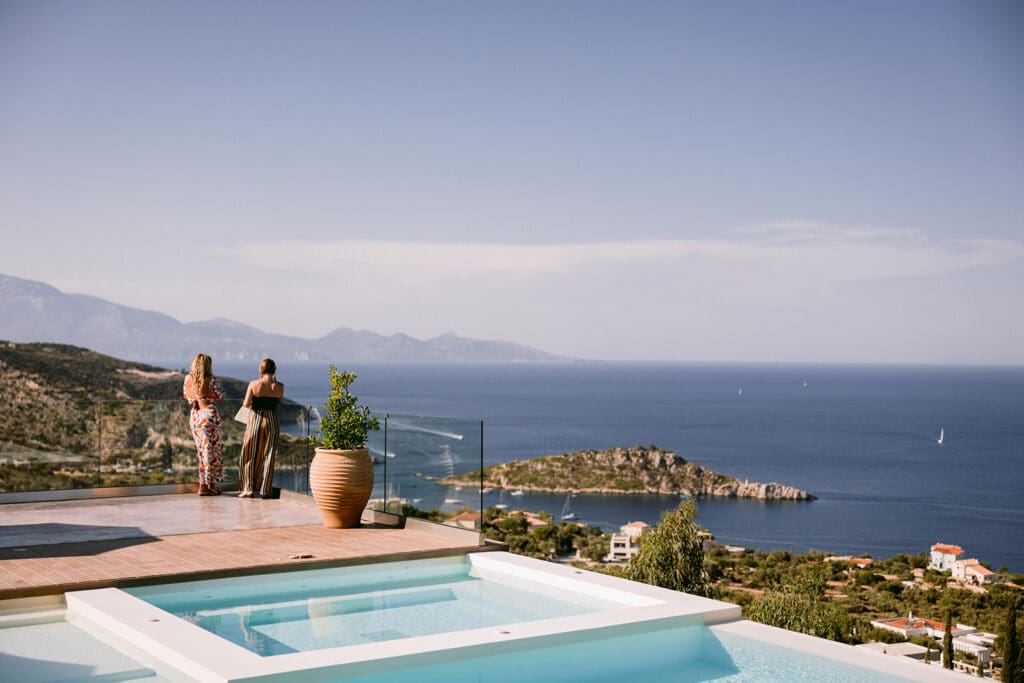
Europe offers a rare depth of character. From coastal villas in Italy and Greece to vineyards in France and countryside estates in Spain, each region carries its own rhythm, architecture, and sense of place.
Many couples choose Europe not just for the scenery, but for the slower pace, the emphasis on shared meals and gatherings, and the opportunity to create a multi-day experience where guests feel immersed in the destination.
A destination wedding in Europe often feels less like an event and more like a meaningful journey.
If you’re still deciding between a destination wedding and a local celebration, this guide explores how to know what feels right for you.
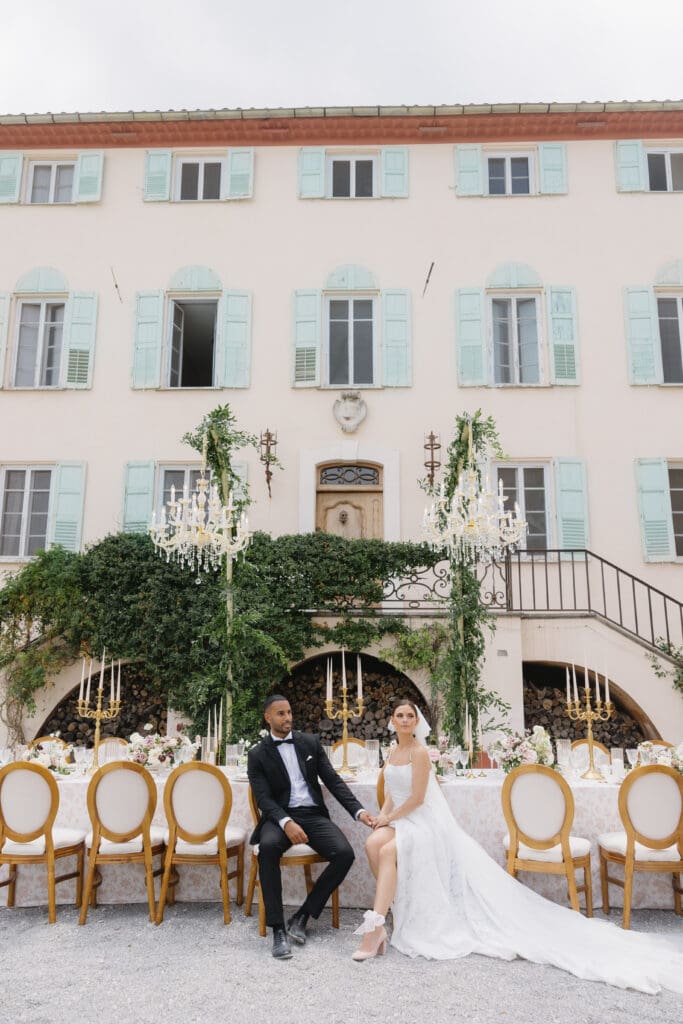
Destination Wedding Planning Timeline in Europe
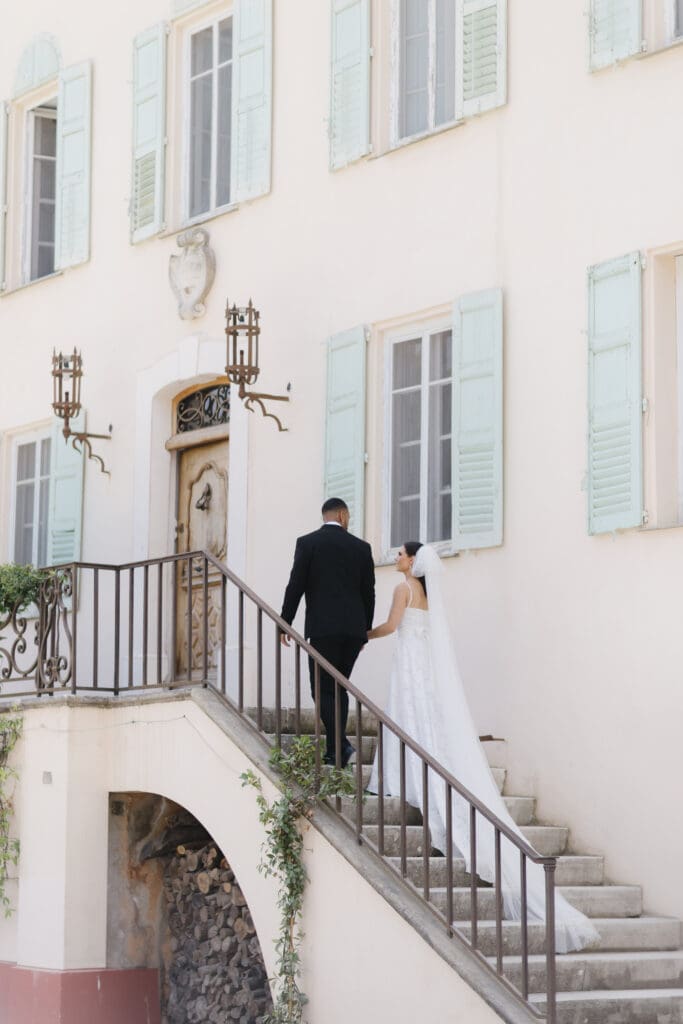
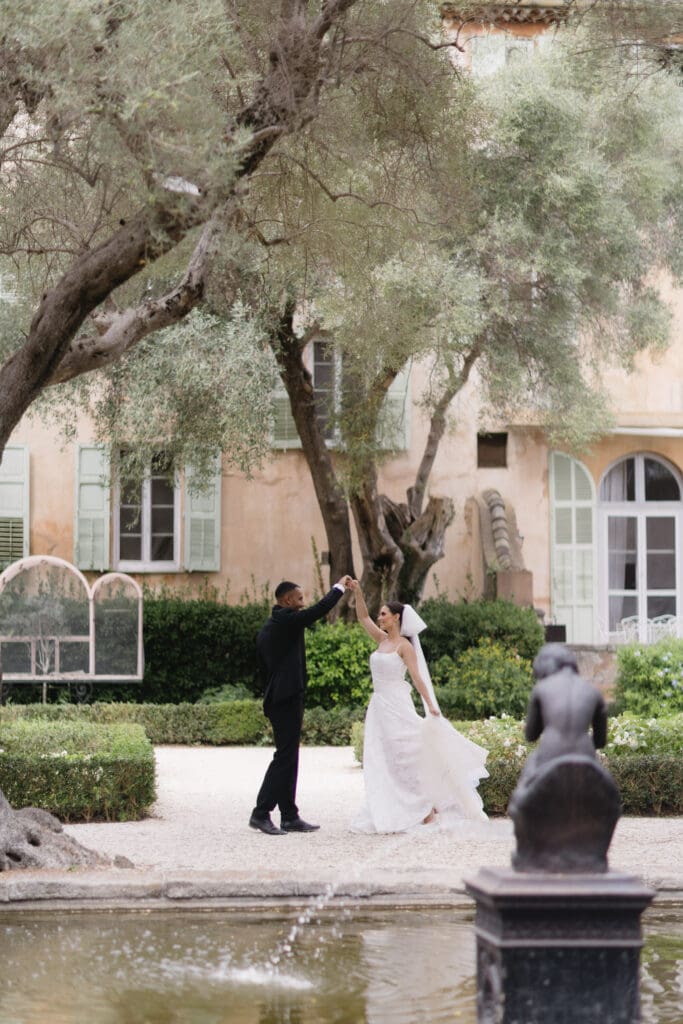
Planning a destination wedding in Europe is most seamless when you begin with intention rather than logistics. Defining how you want the experience to feel before choosing a venue ensures every decision is aligned and meaningful.
12–18 Months Before
Define Your Vision and Foundations
- Define your wedding vision, atmosphere, and guest experience
- Set your preliminary budget and guest count
- Hire a destination wedding planner to guide the process
- Explore potential destinations and venue styles that align with your vision
This is the most important stage, your venue should support your vision, not define it.
9–12 Months Before
Secure Your Venue and Core Team
- Select and book your venue
- Book key vendors such as photographer, florist, catering, and rentals
- Send save-the-dates to guests
Timing invitations for a destination wedding is different from local planning—this guide explains exactly when to send your save-the-dates
6–9 Months Before
Design and Guest Experience Planning
- Finalise styling and design direction
- Plan guest accommodations and travel guidance
- Outline multi-day experiences (welcome dinner, excursions, farewell brunch)
3–6 Months Before
Details and Invitations
- Confirm menus, rentals, and ceremony details
- Send formal invitations
- Finalise styling and production details
1–3 Months Before
Logistics and Final Confirmations
- Finalise timelines with vendors
- Confirm guest RSVPs and seating
- Plan travel logistics and on-site coordination
Most couples planning a destination wedding in Europe begin the process 12 to 18 months in advance, starting with vision, budget, and planning support before selecting a venue. Your venue is a setting. Your vision is the experience. The order matters.
Best Time to Get Married in Europe
The most popular months for destination weddings in Europe are April through June and September through October. These shoulder seasons offer mild weather, fewer tourists, and more availability at venues and hotels.
July and August are peak travel months in many European destinations, which can mean higher costs and limited availability. Winter weddings can be beautifully atmospheric but require careful planning around weather and accessibility.
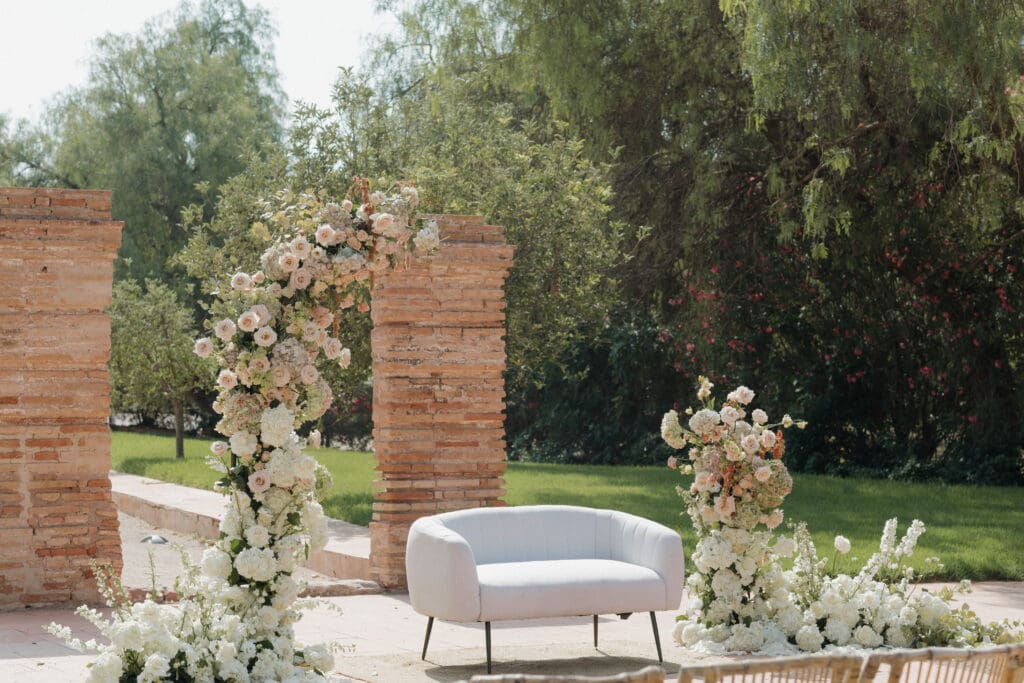
How to Choose a Destination Wedding Venue in Europe
Selecting a venue is both a practical and emotional decision. Beyond aesthetics, consider how the venue will support your guests and your experience.
Key considerations include:
- Guest capacity and accommodation options
- Accessibility for international travel
- Indoor and outdoor ceremony spaces
- Weather contingency plans
- Noise curfews and local regulations
- Vendor flexibility and exclusivity policies
A thoughtful venue choice balances beauty with ease, ensuring your guests feel welcomed and cared for.
If choosing a venue feels overwhelming, I’ve written a guide on how to decide before you fall down the venue rabbit hole.
Legal vs Symbolic Destination Weddings in Europe
Legal Weddings
Legal ceremonies require official documentation such as birth certificates, passports, and translations. Some countries also have residency requirements and specific timelines for submitting paperwork.
Symbolic Weddings
Symbolic ceremonies allow couples to legally marry at home and host their ceremony abroad. This option offers flexibility, fewer administrative requirements, and is often preferred by international couples who want to focus on the experience rather than paperwork.
You can explore the different types of ceremonies in Europe, including legal and symbolic options, in this guide.
Destination Wedding Costs in Europe
The cost of a destination wedding in Europe varies depending on location, guest count, and design vision. Typical ranges for intimate to luxury weddings include:
- Venue: €5,000–€25,000+
- Catering: €150–€350 per guest
- Wedding planner: 10–20% of the total budget
- Photography: €4,000–€12,000
- Flowers and styling: €5,000–€30,000+
- Travel and accommodation: varies by destination and guest count
Many couples find destination weddings allow them to curate a smaller, more intentional gathering that prioritises connection and presence.
If you’d like a thoughtful breakdown of how to prioritise your budget without overwhelm, you can explore my guide on setting wedding priorities here.
Why Hire a Destination Wedding Planner in Europe
Planning from another country involves navigating contracts, timelines, cultural nuances, and vendor coordination across time zones. A destination wedding planner provides local expertise, trusted vendor relationships, and a structured approach to planning.
A planner also ensures guest logistics are thoughtfully managed, allowing you to remain present in the experience rather than focused on logistics.
Destination Wedding Checklist
- Define your vision and guest experience
- Set your budget and guest list
- Hire a destination wedding planner
- Choose your destination and venue
- Book key vendors
- Plan guest travel and accommodations
- Decide on a legal or symbolic ceremony
- Finalise styling and design
- Confirm timelines and logistics
Frequently Asked Questions About Destination Weddings in Europe
Most couples plan 12–18 months in advance to secure venues and preferred vendors, especially in popular destinations.
It can be, particularly for intimate guest counts. Destination weddings often prioritise quality over quantity, which can be more cost-efficient than large local weddings.
Typically, guests cover their own travel and accommodation, while the couple hosts wedding events such as the ceremony and reception. However, in some cases, the couple hired a venue that included on site accommodation for the entire guestlist and that is part of the venue rental fees.
Yes. Symbolic weddings reduce administrative complexity while still offering a deeply meaningful ceremony experience.
Thoughtful Approach to Planning
Planning a destination wedding in Europe is not about following trends or recreating what you see online. It is about designing an experience that reflects how you live, connect, and gather.
When planning is rooted in intention, every detail—from venue choice to guest journey—feels aligned and effortless.
If you are dreaming of an intimate wedding in Europe and would like guidance from someone who understands both logistics and emotional flow, I would love to explore what is possible with you.
