A Destination Wedding in Europe: Types of Wedding Ceremonies (+ Planning Tips)
weddings
from the desk of Mari

How to Plan a Wedding in Europe: A Simple Guide for US Couples
This article is part of my complete guide to planning a destination wedding in Europe.
Europe offers an exceptional range of settings for destination weddings — from historic cities and vineyards to coastal cliffs and countryside estates. But equally important to where you marry is how you marry: the type of ceremony you choose influences your timeline, legal requirements, attire, and guest experience.
In this guide, we’ll explore the most common types of destination wedding ceremonies in Europe, what they mean, when couples choose them, and how to plan around them.
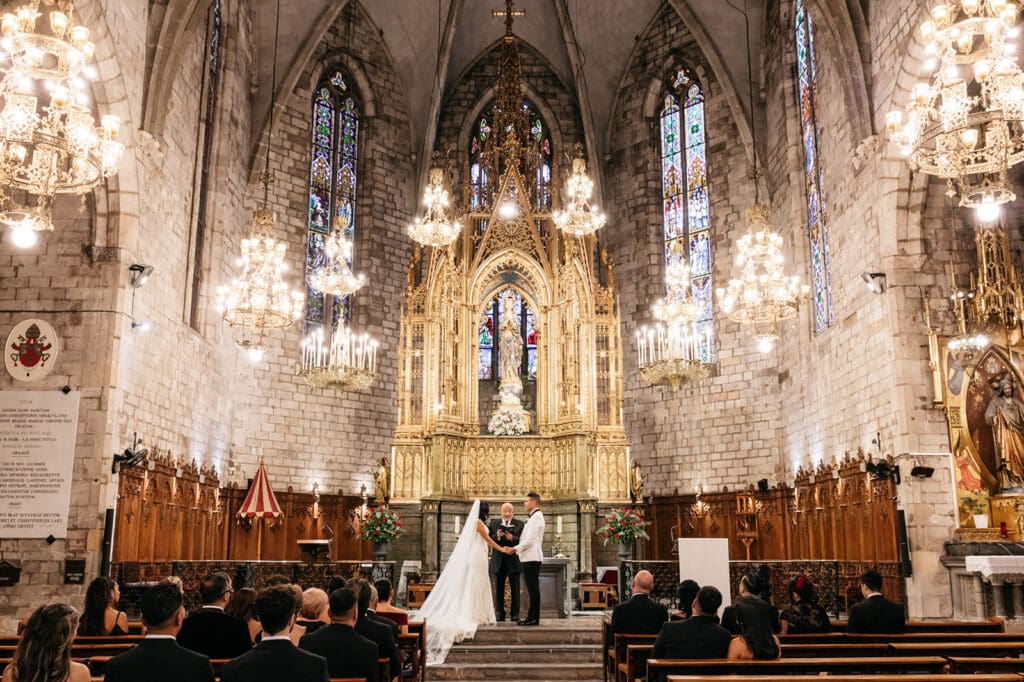
1. Civil Ceremonies (Legally Binding)
A civil ceremony is the legal marriage recognised by the government of a country. This is the type of ceremony most countries legally require before a marriage will be considered valid.
What to know:
✔ You must meet residency and documentation requirements
✔ Often held at a town hall or registrar’s office
✔ Can feel formal and administrative
Why couples choose it:
For couples who want their European wedding to also be their official legal marriage, a civil ceremony is essential. This can simplify paperwork and ensure your marriage is recognised across borders.
Internal Link Suggestion:
If you are still choosing your venue, this can affect your ability to host a civil ceremony, see how to find a wedding venue without falling down the rabbit hole.
2. Religious Ceremonies
Religious ceremonies — Catholic, Protestant, Jewish, Orthodox, or other traditions — are meaningful for couples who want to honour their faith in the context of their wedding.
What to know:
- Often follows specific religious requirements
- May require pre-marital counselling or documentation
- May still require a civil ceremony to be legally binding
Europe’s older churches and chapels make this a deeply atmospheric choice, but each country and denomination has its own rules that require planning.
3. Symbolic Ceremonies (Highly Customisable)
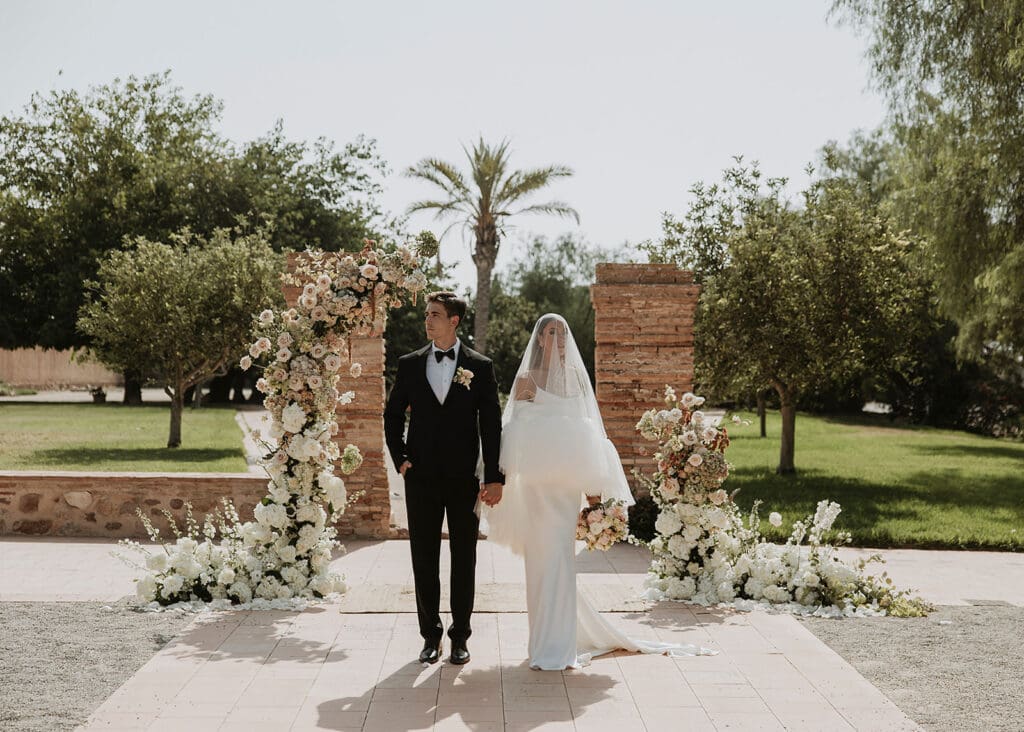
A symbolic ceremony has no legal status — but it is rich with meaning. Many international couples choose this route because it allows full creative expression without procedural restrictions.
When couples choose this:
- Legal marriage completed in home country
- Ceremony reflects personal vows, rituals, readings
- Hosted anywhere: villa garden, vineyard terrace, seaside cliff
👉 If you’re considering this, see our full guide on symbolic wedding ceremonies in Europe.
4. Interfaith / Multi-Cultural Ceremonies
When two cultures, religions, or traditions come together, couples often design hybrid ceremonies that honour both backgrounds.
Features include:
- Combined rituals
- Multilingual readings
- Inclusive symbolism
Europe’s variety of customs and venues makes this a beautiful choice for many modern destination weddings.
The type of ceremony often influences attire, for tips on guest outfits that suit Italian seaside or countryside celebrations, check out what to wear to a destination wedding on the Amalfi Coast.
5. Renewal Ceremonies
Some couples choose to host a vow renewal during their European celebration — either instead of or in addition to a legal ceremony.
Why couples love this:
- No legal paperwork required
- Perfect for milestone anniversaries
- Great way to involve family and set the tone for a party
6. Celebratory Gatherings (Reception-Focused Moments)
Not all weddings hinge on a formal ceremony. Some couples curate meaningful moments within their celebrations — a sunrise toast, a beachfront blessing, a family reading during dinner.
What to know:
- Offers flexibility
- Feels intimate and intentional
- Can be built around your guest flow and experience
Want to see different ceremony styles in real celebrations? Explore our destination wedding portfolio for real moments that bring these ceremony types to life.
For couples looking to understand how ceremony choices fit into the wider planning process, this guide to planning a wedding abroad without stress provides helpful context.
FAQ — Wedding Ceremony Types in Europe
You can have a civil (legal), religious, symbolic, interfaith, or celebratory wedding ceremony in Europe. Each has different requirements and experiences.
No — symbolic ceremonies are not legally binding. Most couples complete legal marriage at home and host their symbolic celebration in Europe.
Many couples choose a civil ceremony for legal purposes and a symbolic or celebratory ceremony for personal experience, especially when marrying abroad.
It depends on the country. Sometimes religious ceremonies must be paired with a civil ceremony to be legally recognised.
There’s no universal “best”; symbolic ceremonies are popular for creative freedom, civil ceremonies for legal recognition, and interfaith ceremonies for blended traditions.
Final Thoughts on Ceremony Choices for European Weddings
Your choice of ceremony shapes your destination wedding experience — from how your guests dress and how long the day flows, to how meaningful each moment feels. Some couples prioritise legal recognition; others prioritise emotional expression, cultural tradition, or shared stories.
Whatever path you choose, thoughtful planning and a clear understanding of what each ceremony involves make the process feel calm, intentional, and joyful.
If you’re curious how these ceremony types look in real settings or want guidance crafting the right experience for your celebration, start by exploring our portfolio and planning resources below.
See destination wedding portfolio inspiration
Learn how we guide couples through thoughtful destination wedding planning
