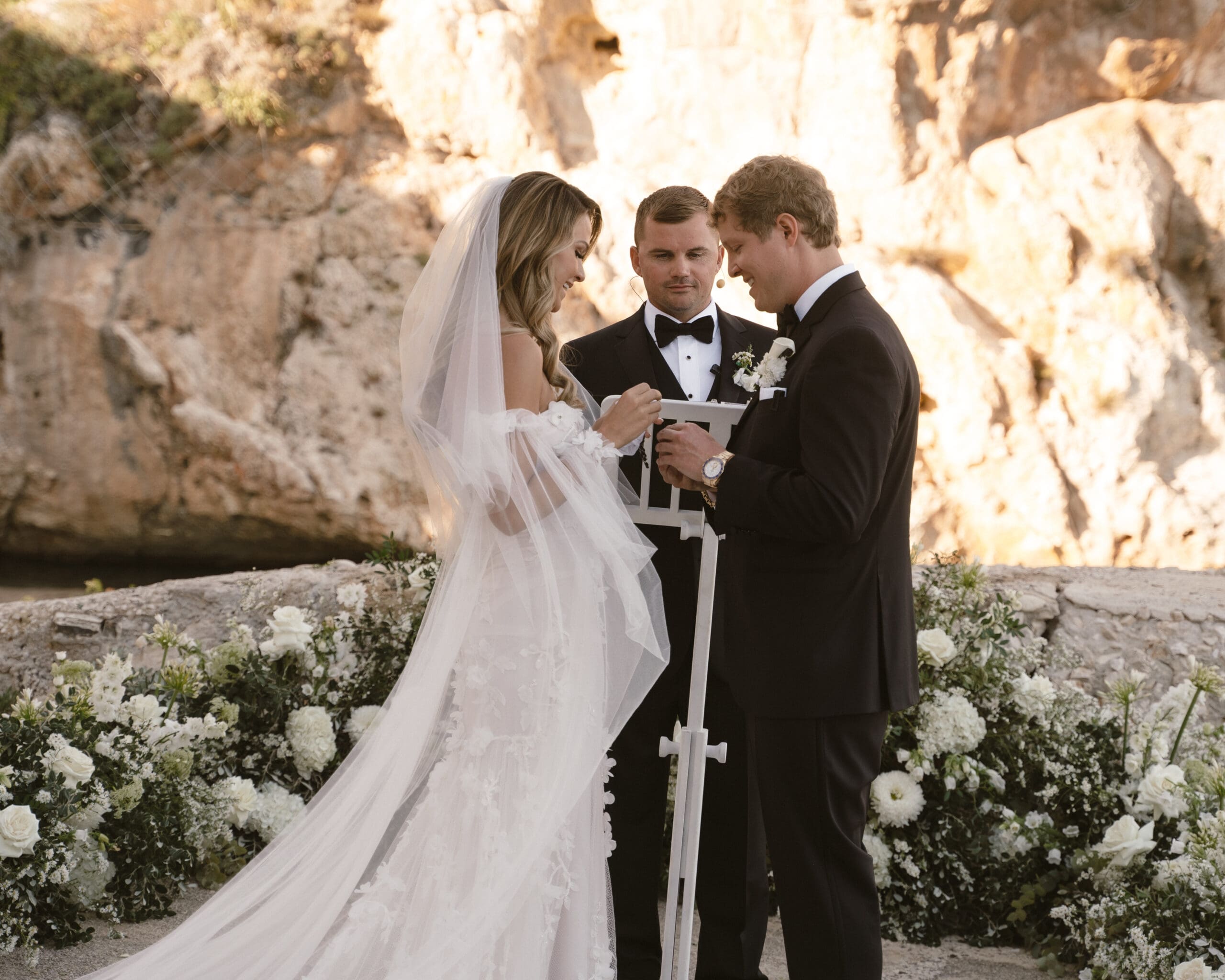

How to Plan a Wedding in Europe: A Simple Guide for US Couples
This article is part of my complete guide to planning a destination wedding in Europe.
Europe offers an exceptional range of settings for destination weddings — from historic cities and vineyards to coastal cliffs and countryside estates. But equally important to where you marry is how you marry: the type of ceremony you choose influences your timeline, legal requirements, attire, and guest experience.
In this guide, we’ll explore the most common types of destination wedding ceremonies in Europe, what they mean, when couples choose them, and how to plan around them.
1. Civil Ceremonies (Legally Binding)
A civil ceremony is the legal marriage recognised by the government of a country. This is the type of ceremony most countries legally require before a marriage will be considered valid.
What to know:
✔ You must meet residency and documentation requirements
✔ Often held at a town hall or registrar’s office
✔ Can feel formal and administrative
Why couples choose it:
For couples who want their European wedding to also be their official legal marriage, a civil ceremony is essential. This can simplify paperwork and ensure your marriage is recognised across borders.
Internal Link Suggestion:
If you are still choosing your venue, this can affect your ability to host a civil ceremony, see how to find a wedding venue without falling down the rabbit hole.
2. Religious Ceremonies
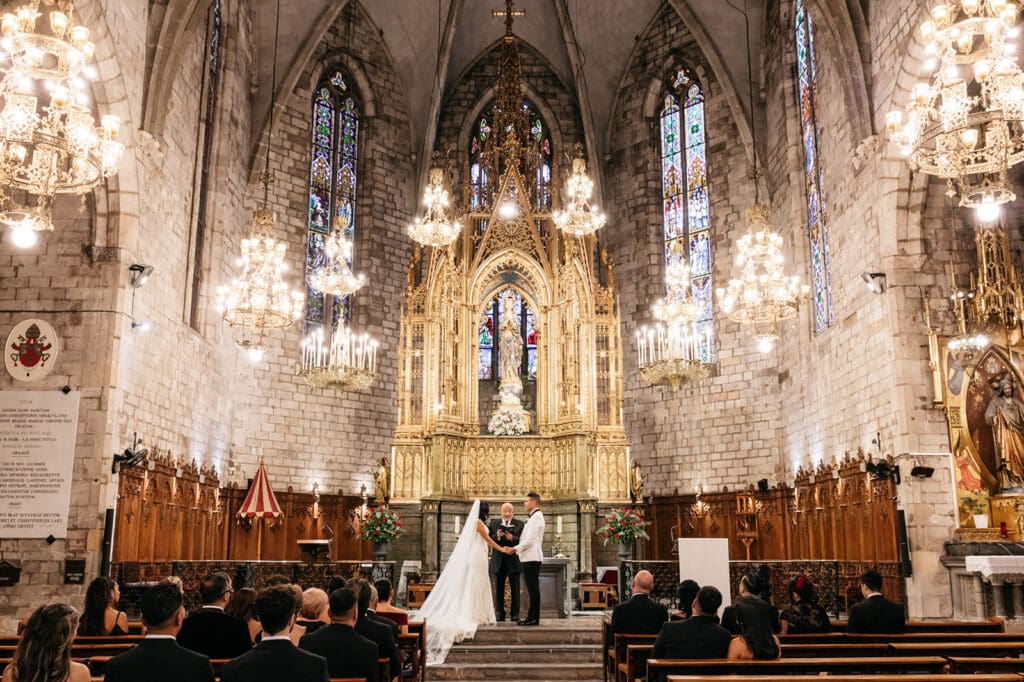
Religious ceremonies — Catholic, Protestant, Jewish, Orthodox, or other traditions — are meaningful for couples who want to honour their faith in the context of their wedding.
What to know:
- Often follows specific religious requirements
- May require pre-marital counselling or documentation
- May still require a civil ceremony to be legally binding
Europe’s older churches and chapels make this a deeply atmospheric choice, but each country and denomination has its own rules that require planning.
3. Symbolic Ceremonies (Highly Customisable)
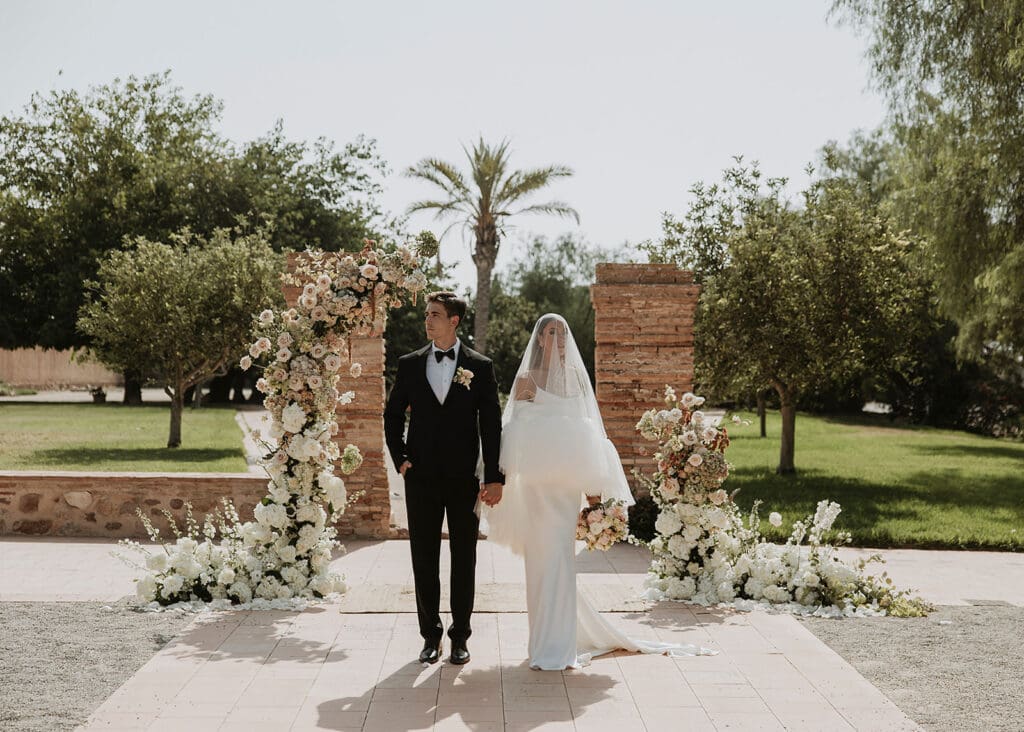
A symbolic ceremony has no legal status — but it is rich with meaning. Many international couples choose this route because it allows full creative expression without procedural restrictions.
When couples choose this:
- Legal marriage completed in home country
- Ceremony reflects personal vows, rituals, readings
- Hosted anywhere: villa garden, vineyard terrace, seaside cliff
👉 If you’re considering this, see our full guide on symbolic wedding ceremonies in Europe.
4. Interfaith / Multi-Cultural Ceremonies
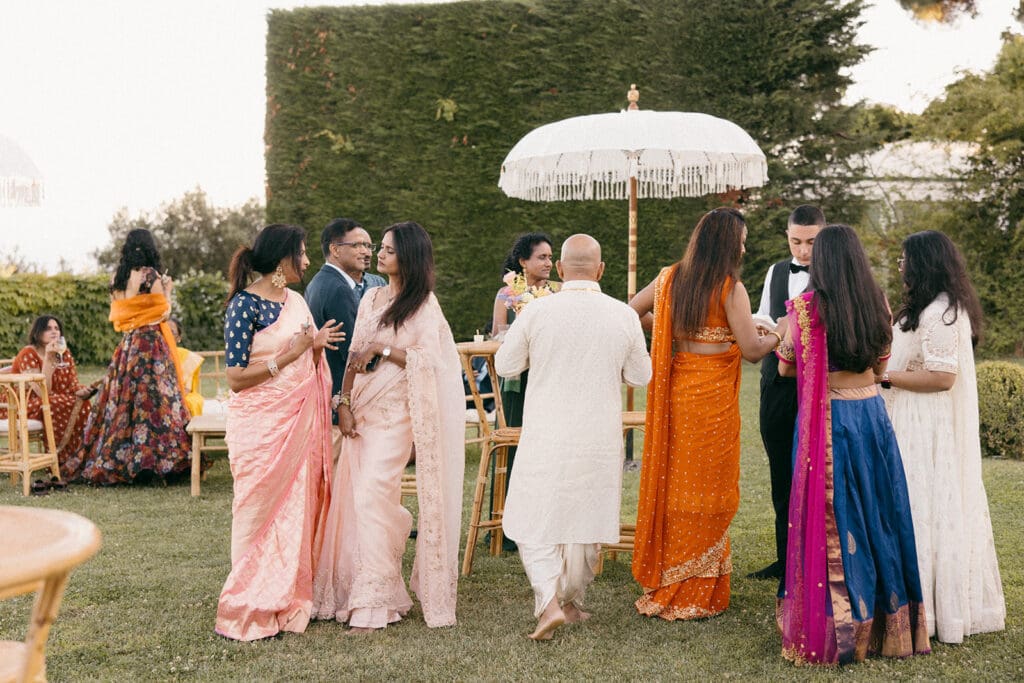
When two cultures, religions, or traditions come together, couples often design hybrid ceremonies that honour both backgrounds.
Features include:
- Combined rituals
- Multilingual readings
- Inclusive symbolism
Europe’s variety of customs and venues makes this a beautiful choice for many modern destination weddings.
The type of ceremony often influences attire, for tips on guest outfits that suit Italian seaside or countryside celebrations, check out what to wear to a destination wedding on the Amalfi Coast.
5. Renewal Ceremonies
Some couples choose to host a vow renewal during their European celebration — either instead of or in addition to a legal ceremony.
Why couples love this:
- No legal paperwork required
- Perfect for milestone anniversaries
- Great way to involve family and set the tone for a party
6. Celebratory Gatherings (Reception-Focused Moments)
Not all weddings hinge on a formal ceremony. Some couples curate meaningful moments within their celebrations — a sunrise toast, a beachfront blessing, a family reading during dinner.
What to know:
- Offers flexibility
- Feels intimate and intentional
- Can be built around your guest flow and experience
Want to see different ceremony styles in real celebrations? Explore our destination wedding portfolio for real moments that bring these ceremony types to life.
For couples looking to understand how ceremony choices fit into the wider planning process, this guide to planning a wedding abroad without stress provides helpful context.
FAQ — Wedding Ceremony Types in Europe
You can have a civil (legal), religious, symbolic, interfaith, or celebratory wedding ceremony in Europe. Each has different requirements and experiences.
No — symbolic ceremonies are not legally binding. Most couples complete legal marriage at home and host their symbolic celebration in Europe.
Many couples choose a civil ceremony for legal purposes and a symbolic or celebratory ceremony for personal experience, especially when marrying abroad.
It depends on the country. Sometimes religious ceremonies must be paired with a civil ceremony to be legally recognised.
There’s no universal “best”; symbolic ceremonies are popular for creative freedom, civil ceremonies for legal recognition, and interfaith ceremonies for blended traditions.
Final Thoughts on Ceremony Choices for European Weddings
Your choice of ceremony shapes your destination wedding experience — from how your guests dress and how long the day flows, to how meaningful each moment feels. Some couples prioritise legal recognition; others prioritise emotional expression, cultural tradition, or shared stories.
Whatever path you choose, thoughtful planning and a clear understanding of what each ceremony involves make the process feel calm, intentional, and joyful.
If you’re curious how these ceremony types look in real settings or want guidance crafting the right experience for your celebration, start by exploring our portfolio and planning resources below.
See destination wedding portfolio inspiration
Learn how we guide couples through thoughtful destination wedding planning
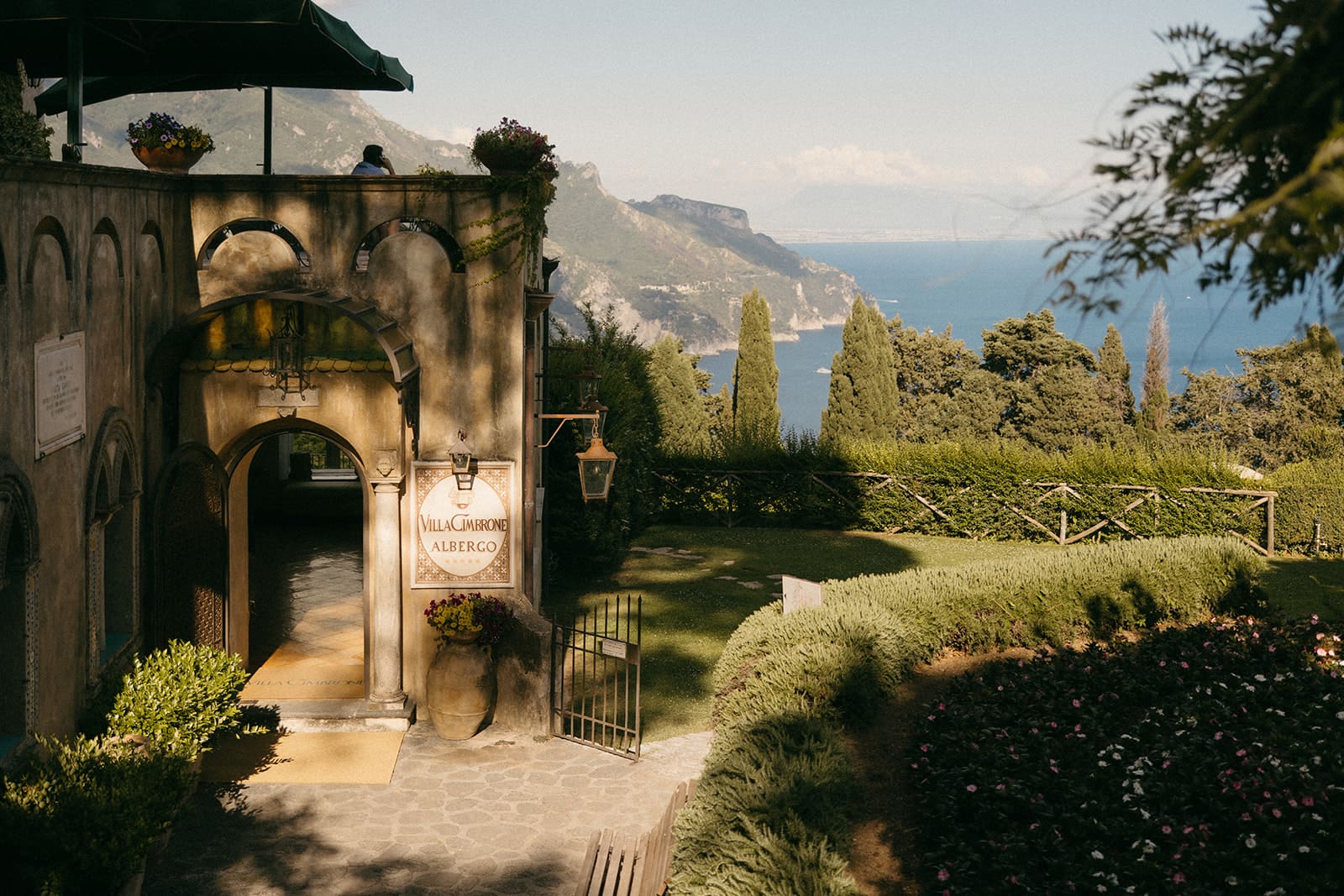
The Amalfi Coast is one of the most sought-after wedding destinations in the world. Dramatic sea views, pastel villages, citrus groves, and breezy summer light. When you’re attending a destination wedding here, what you wear matters not just for style, but for the climate, setting, and feel of the celebration.
Whether you’re a guest at a seaside soirée or an elegant terrace dinner, this guide helps you answer the key question: what to wear to a destination wedding on the Amalfi Coast. We’ll cover dress codes, fabrics, colour palettes and practical tips so you feel confident, comfortable, and beautifully dressed for the occasion.
Understanding the Dress Code on the Amalfi Coast
Destination weddings here often blend elegance with effortless Mediterranean style. Dress codes you’ll see include:
• Elegant Casual
Perfect for daytime ceremonies or seaside venues — think dresses that feel light but polished.
• Resort Chic
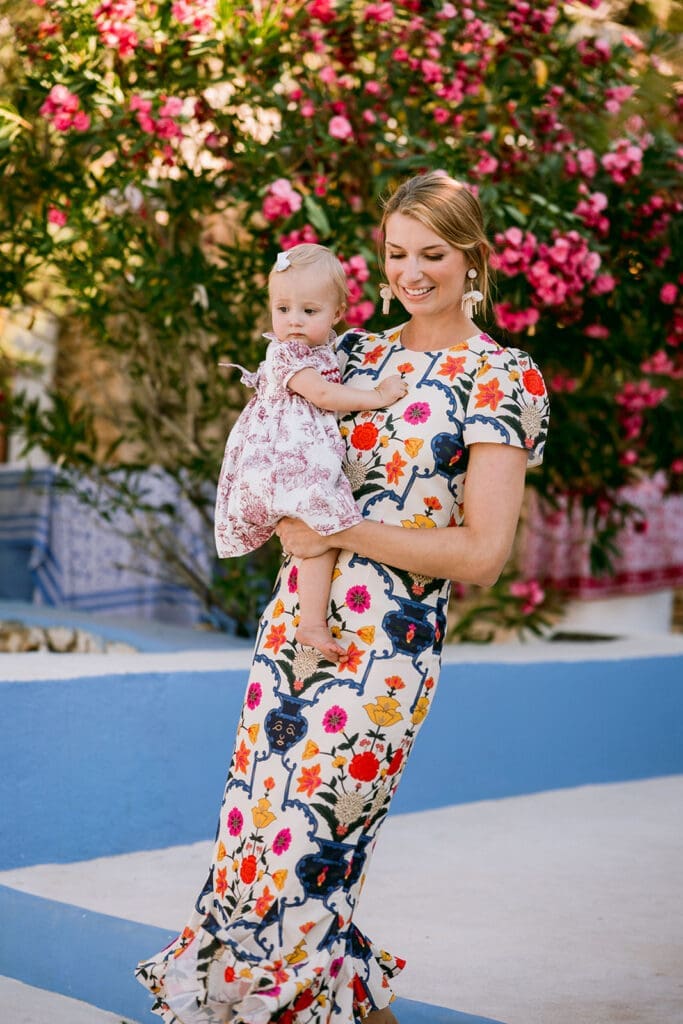
A step up from casual — flowing maxi dresses, summer suits in breathable fabrics, and elegant prints.
• Formal / Cocktail
Evening receptions with a refined menu and sunset backdrop call for dressier silhouettes and refined accessories.
Finding the right venue sets the tone for everything — including what you’ll wear. If you’re curious about how locations influence dress code and atmosphere, check out how to find a wedding venue without falling down the rabbit hole.


Fabrics That Work Best for Coastal Weddings
The Amalfi Coast is warm, especially from May through October. Choose fabrics that are:
- Breathable — linen, cotton silk blends, chiffon
- Lightweight — so you’re comfortable during outdoor ceremonies
- Elegant but airy — avoid stiff materials that trap heat
Colour Palettes & Prints for Amalfi Style
The coastal landscape — blue sea, cream walls, lush greenery — inspires the ideal palette for attire:
Best Colours
- Soft neutrals: ivory, cream, beige
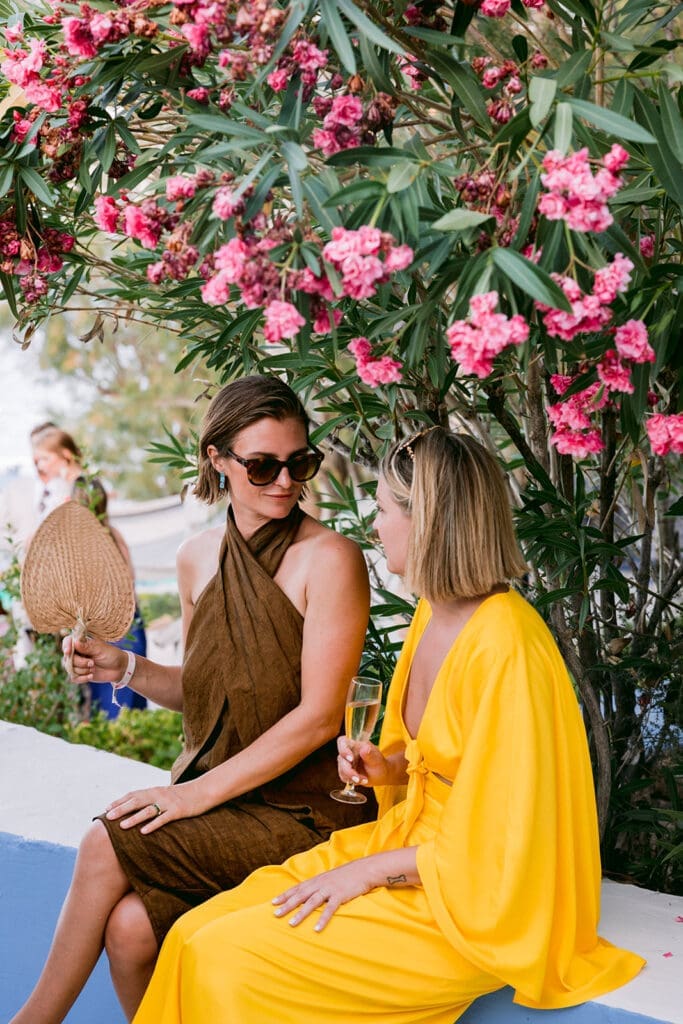
- Pastels: blush, lavender, mint
- Jewel tones for evening: sapphire, emerald, burgundy
Prints to Love
- Gentle Mediterranean motifs
- Subtle florals
- Painterly abstracts
What Women Should Wear
Daytime Ceremony
- Flowy midi or maxi dress
- Strappy heels or stylish sandals (wedges work! see footwear tips)
- Minimal jewellery to keep the look light and fresh
Evening Party
- Elegant cocktail dress in a richer tone
- Delicate shawl or wrap for cooler nights
What Men Should Wear
Daytime
- Lightweight linen or cotton suit (light grey, stone, navy)
- Breathable shirt — no heavy fabrics
Evening
- Tailored blazer with trousers
- Dress shoes that match the suit
Footwear Tips for Amalfi Terrain
The Amalfi Coast is beautiful and uneven cobblestones, terraces and garden paths are common. Choose shoes that are:
- Comfortable
- Stable on uneven surfaces
- Stylish yet practical
Best options:
- Loafers or leather dress shoes
- Block heels
- Dressy flats
- Wedges (perfect choice!)
The formality of your outfit often depends on the type of ceremony. Our guide on types of destination wedding ceremonies in Europe helps you match your attire to the celebration style.
Hair & Accessories That Fit the Mood
Styles that withstand the breeze
- Loose waves
- Elegant updos with soft tendrils
Accessories
- Minimalist jewellery
- Delicate hairpieces
- Light shawls or wraps
What to Avoid
❌ Heavy fabrics
❌ Ultra-high stilettos (cobblestones!)
❌ Loud prints that clash with seaside tones
❌ Overly formal black tie unless specified
(If the invitation has a specific dress code, always honour it first.)
Want to see how wedding guests have dressed at real Amalfi Coast celebrations? Browse our destination wedding portfolio for guest style ideas and location inspiration.
FAQ — What to Wear to an Amalfi Coast Wedding
Choose elegant yet breathable fabrics like linen, chiffon or silk blends. Think resort chic or cocktail depending on the invitation. Avoid heavy materials due to warm coastal temperatures.
It’s best to avoid wearing white, off-white or ivory unless the invitation specifies otherwise, to avoid clashing with bridal attire.
Yes — wedges give height without instability on cobblestone streets or uneven garden paths, making them a great choice for coastal weddings.
Soft neutrals, pastels and summer tones reflect the destination’s vibe beautifully. Jewel tones work especially well for evening receptions.
Black can be elegant for evening events, but balance it with lighter or richer tones and accessories to complement the Mediterranean setting.
Final Thoughts on What to Wear to an Amalfi Coast Wedding
Dressing for a destination wedding on the Amalfi Coast is about finding the balance between elegance and ease. Light fabrics, thoughtful colour choices, and practical footwear allow you to feel comfortable while still honouring the beauty of the setting.
When attire aligns with the location, the season, and the tone of the day, it becomes part of the experience, effortless, considered, and memorable.
If you’re planning a destination wedding on the Amalfi Coast and want every detail, from the venue to the guest experience, to feel cohesive and well thought through, guidance from someone who understands the destination can make all the difference.
Explore real Amalfi Coast and European destination weddings here
Learn more about thoughtful destination wedding planning
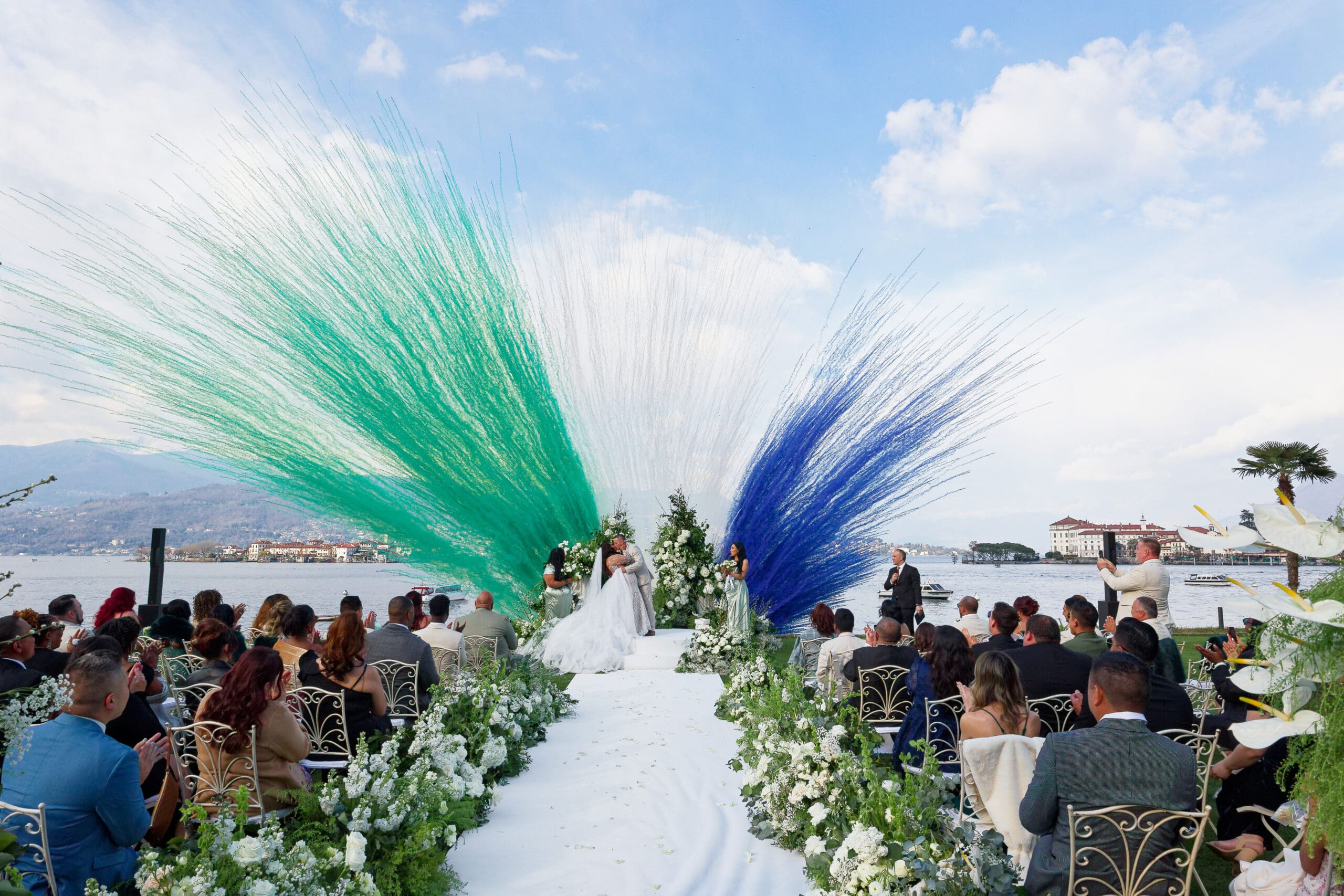
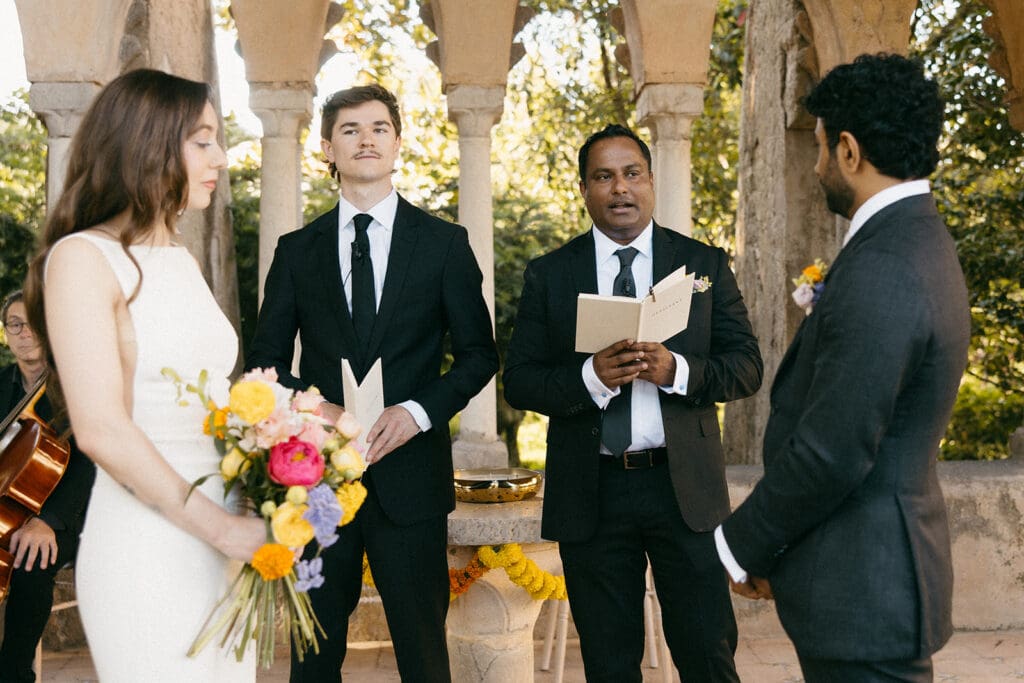
Dreaming of exchanging vows in a breathtaking European setting without embassy appointments, translation requirements, or foreign legal paperwork? A symbolic wedding ceremony in Europe might be the perfect way to make your ceremony deeply personal, joyful, and uniquely yours
Why Choose a Symbolic Wedding Ceremony
A symbolic ceremony is a deeply personal way to mark your commitment. It’s about emotion, meaning, and experience, not legal process. Most of our couples choose to complete the legal side of things in their home country before the big day, then celebrate with a symbolic ceremony.
If you’re still exploring different ceremony options, our guide on types of destination wedding ceremonies in Europe covers civil, religious, and symbolic choices.
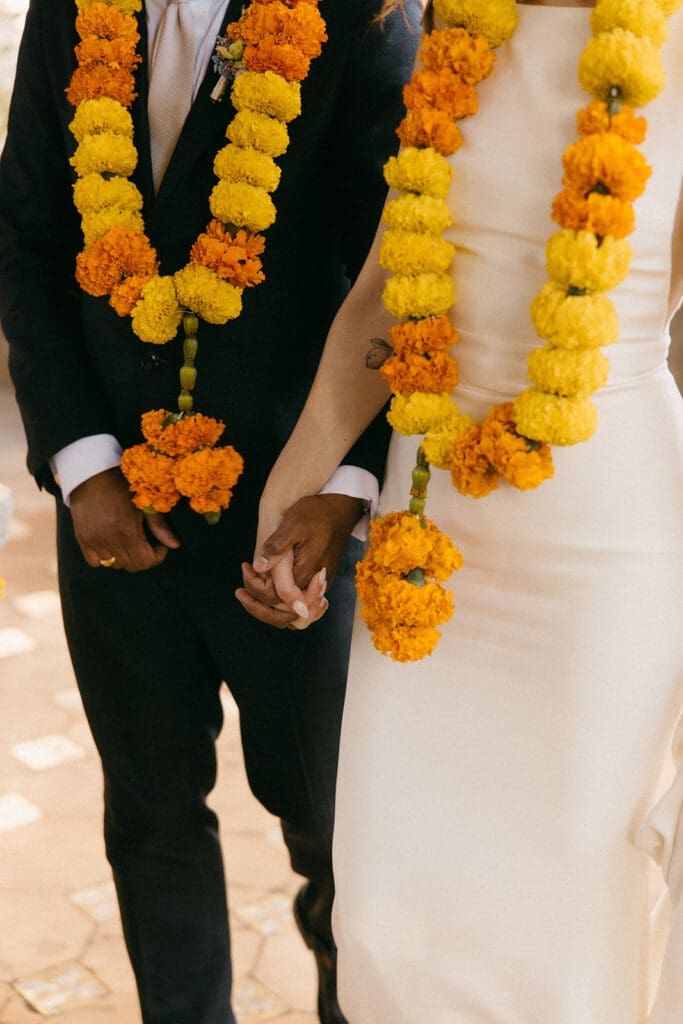
What a Symbolic Ceremony Is (and Isn’t)
Unlike civil or religious ceremonies, a symbolic wedding:
- Is not legally binding
- Has no standard rules
- Can be fully customised
- Can include people you love as celebrants or readers
- Can be held anywhere you choose
This makes symbolic ceremonies especially popular for destination weddings in Europe where legal requirements can be complicated.
Understanding ceremony types is just one part of the journey. This guide to planning a wedding abroad without stress explains how all the pieces fit together.
What You Can Personalise
The beauty of a symbolic ceremony is that it can be designed entirely around you. Common elements couples include:
- Custom vows and readings
- Music that reflects your story
- Rituals like candle lighting, handfasting, or unity ceremonies
- Family and friends sharing meaningful words or blessings
These elements let your ceremony feel intentional, emotional, and unforgettable. Choosing how and where your ceremony fits into your overall destination wedding experience starts with clarity. For practical tips on avoiding overwhelm while planning your venue and ceremony, see how to decide before you fall down the wedding planning rabbit hole.
Where You Can Have a Symbolic Ceremony in Europe
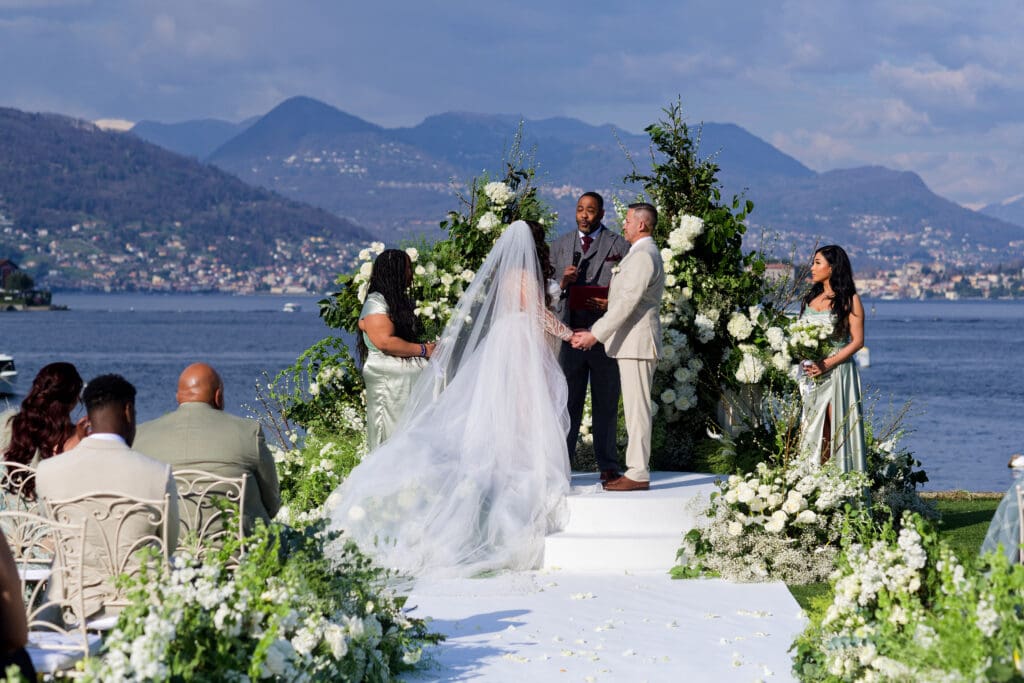
Symbolic ceremonies can take place in almost any setting you imagine:
- Olive gardens under Tuscan skies
- Cliffside views on the Amalfi Coast
- Historic villas in Provence
- Lakeside estates in Lake Como
- Vineyards in Bordeaux or Tuscany
This flexibility is one reason symbolic ceremonies are a favourite for destination weddings in Europe.
See symbolic ceremonies in real weddings.
Want to see how symbolic ceremonies come to life in beautiful settings across Europe? Check out our destination wedding portfolio showcasing symbolic weddings in Italy, France, and beyond.
Is a Symbolic Ceremony Right for You?
Ask yourself:
- Do you value emotional connection over formal structure?
- Are you planning your wedding from afar?
- Do you dream of a visually meaningful ceremony, anywhere you choose?
If you answer yes — a symbolic ceremony might just be the perfect fit.
Portfolio Inspiration
Want to see how symbolic ceremonies come to life in real weddings?
Explore our destination wedding portfolio in Europe
FAQ — Symbolic Wedding Ceremonies in Europe
A symbolic wedding ceremony is a personalised, emotional ceremony that celebrates your vows without legal requirements.
No — they don’t require legal paperwork in Europe, which makes them ideal for destination weddings. Most couples marry legally at home first.
Yes — you can choose a friend, family member, professional celebrant, or cultural officiant
Absolutely. You can incorporate rituals like handfasting, unity ceremonies, candle lighting, or music — whatever reflects your story.
Anywhere you love — sea cliffs, historic estates, gardens, vineyards, lakesides, or countryside villas.
If you’re dreaming of a symbolic ceremony in Europe but feel unsure where to start, I’d love to guide you through planning with calm clarity and intentional design.
Final Thought
Symbolic wedding ceremonies allow you to celebrate your commitment in a setting that feels deeply personal and meaningful — free from paperwork and full of intention. Whether you choose an olive grove in Tuscany, a cliffside in Amalfi, or a vineyard in Bordeaux, a symbolic ceremony gives you creative freedom to express your vows in the way that feels right for you.
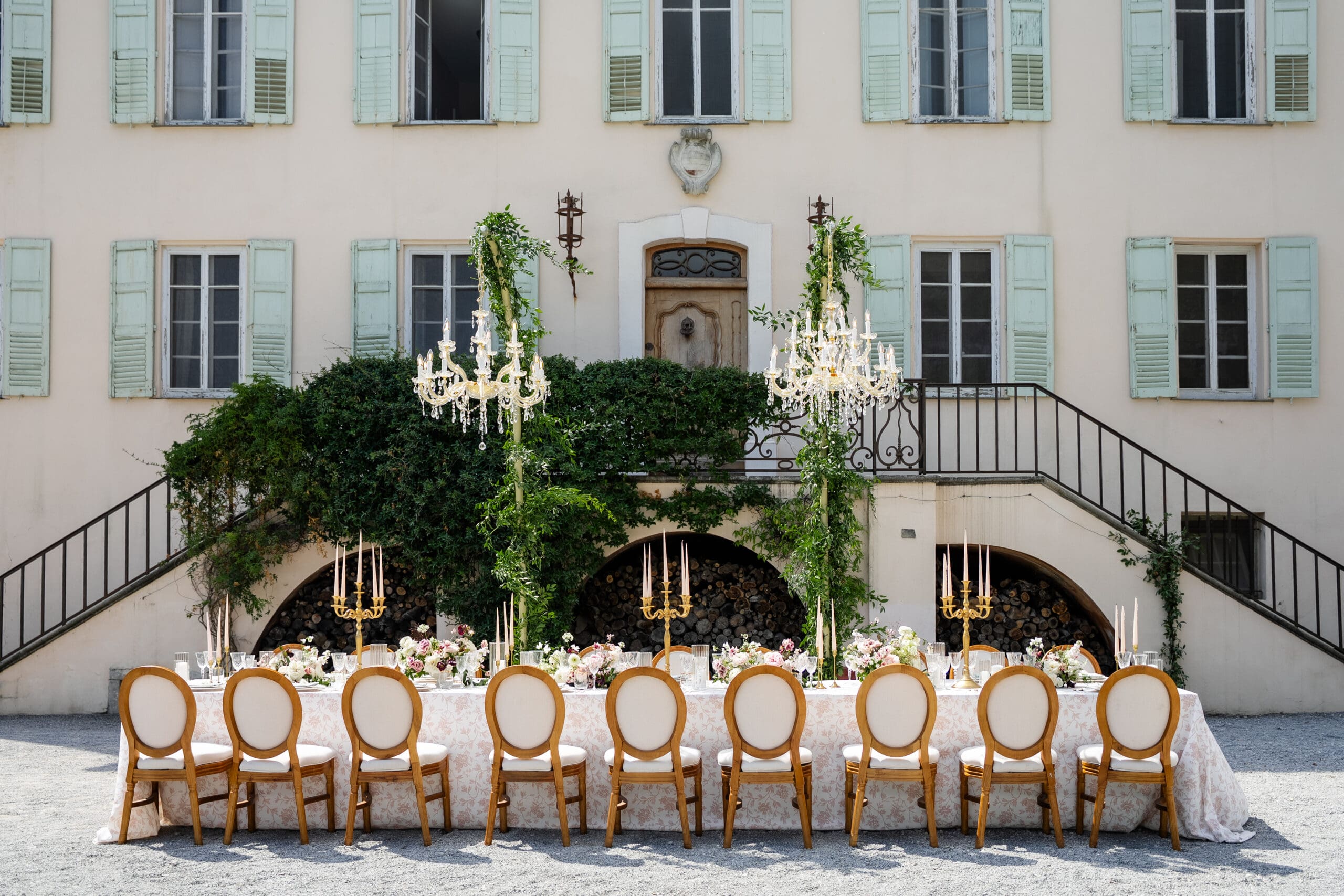
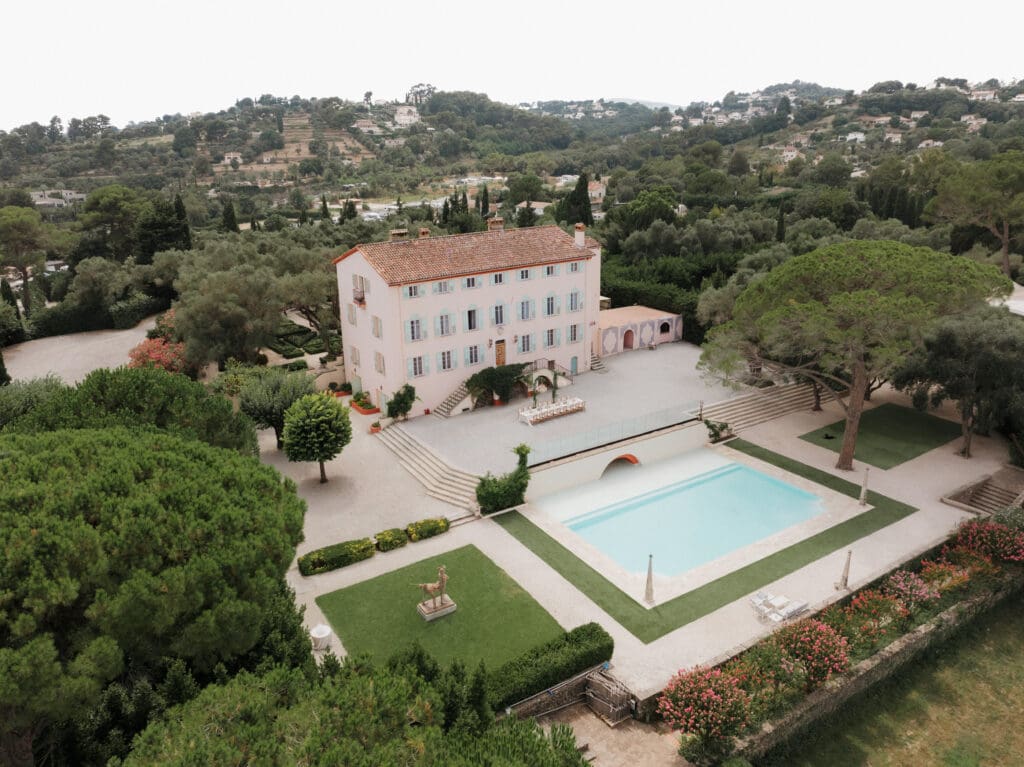
France continues to be one of the most sought-after destinations for couples dreaming of a refined, meaningful wedding experience. From historic châteaux and vineyard estates to countryside domaines and coastal retreats, wedding venues in France offer an unmatched sense of beauty, heritage, and atmosphere.
For couples planning a destination wedding in Europe, France provides diversity without compromise, places that feel romantic yet grounded, elevated yet welcoming, and deeply connected to their surroundings. This guide explores the most sought-after wedding regions and venue styles across France, helping you understand not just where to marry, but why each place feels the way it does.
Why Choose France for a Destination Wedding?
France offers more than picturesque backdrops. It offers rhythm, culture, cuisine, and a way of gathering that feels intentional and unhurried.
Couples are drawn to France for:
- Architectural heritage and timeless venues
- Exceptional food and wine experiences
- Landscapes that change beautifully with the seasons
- The ability to host multi-day wedding experiences
- Venues designed for intimate and considered gatherings
Whether you envision a château weekend in the countryside or a vineyard celebration surrounded by rolling hills, France allows your wedding to feel personal rather than performative.
The Most Popular Wedding Regions in France
Each region of France offers its own atmosphere, pace, and aesthetic. Choosing the right region is as important as choosing the venue itself.
Paris & Île-de-France
Ideal for couples seeking classic elegance with ease of access. While Paris itself offers refined city venues, the surrounding countryside is home to châteaux just outside the capital that are perfect for destination weddings that blend iconic French charm with privacy and space.
Best for:
Elegant weekends, international guests, timeless architecture
Loire Valley
Known as the “Garden of France,” the Loire Valley is synonymous with fairytale châteaux, formal gardens, and river landscapes. Many wedding venues here offer exclusive use and accommodation on site.
Best for:
Château weddings, romantic settings, historic estates
Provence
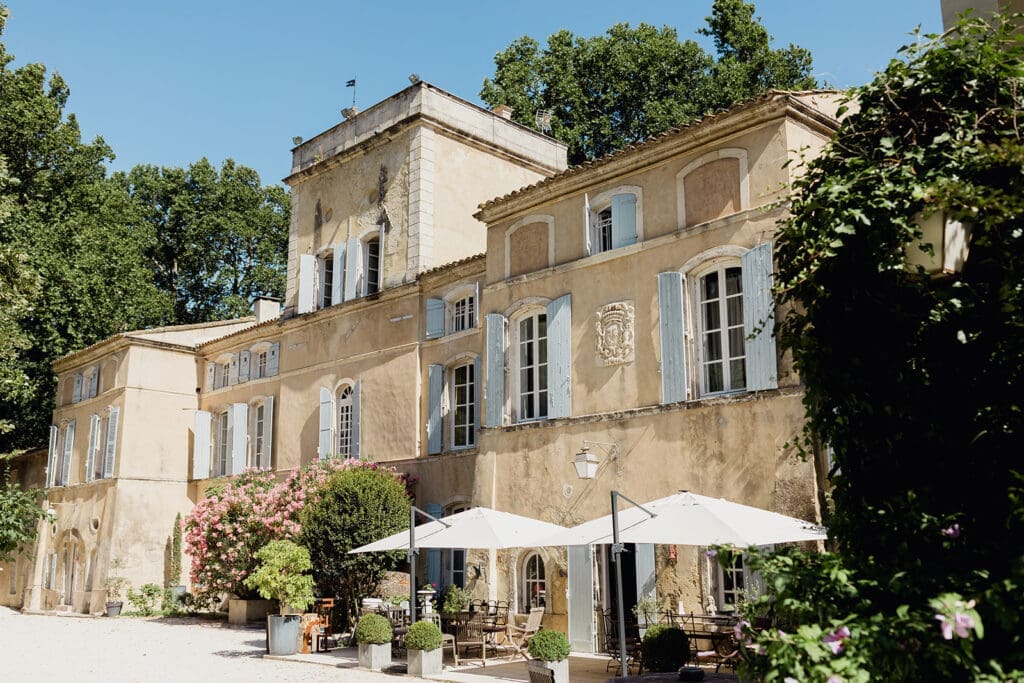
Provence is one of the most requested regions for destination weddings in France. Think sun-washed stone buildings, olive groves, lavender fields, and warm evenings shared outdoors.
Best for:
Relaxed elegance, outdoor dining, natural beauty
Bordeaux & Southwest France
This region is ideal for couples who appreciate wine, understated luxury, and a sense of calm sophistication. Vineyard estates and countryside châteaux here often feel refined but never showy.
Best for:
Wine lovers, countryside settings, longer wedding weekends
French Riviera
The Riviera offers a completely different energy, coastal views, Mediterranean light, and dramatic landscapes. Venues range from clifftop villas to historic estates overlooking the sea.
Best for:
Smaller guest lists, destination glamour, coastal settings
Types of Wedding Venues in France
One of the reasons couples choose France is the variety of venue styles available, each offering a different experience for both the couple and their guests.
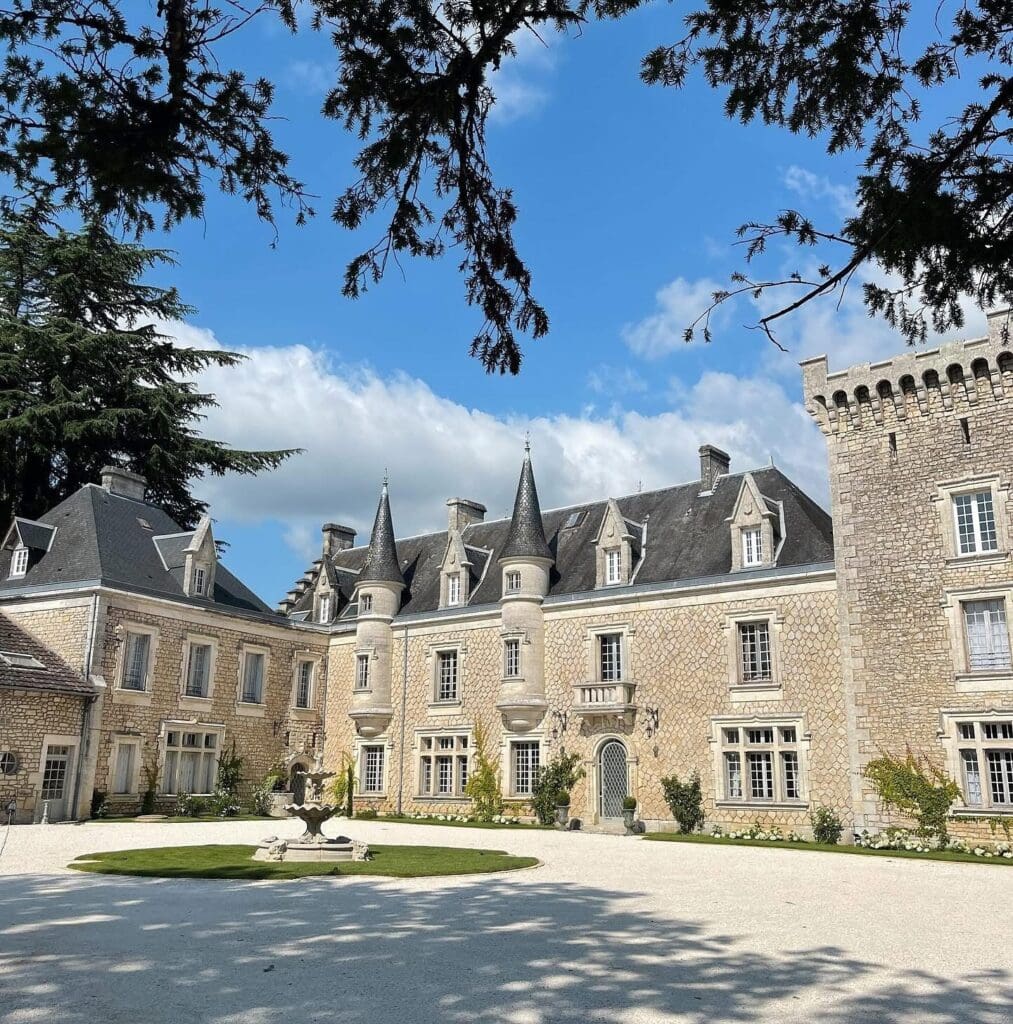
Château Wedding Venues in France
Châteaux remain one of the most iconic wedding venue options in France. Many offer:
- On-site accommodation
- Exclusive multi-day use
- Formal gardens and ceremony spaces
- Indoor and outdoor reception options
They are ideal for couples who want to host their guests in one place, allowing space for connection and ease.
Vineyard & Domaine Wedding Venues
Vineyard estates and domaines offer a more relaxed, organic feel while still maintaining elegance. These venues often focus on shared meals, wine experiences, and natural surroundings.
Perfect for couples who value atmosphere over formality.
Intimate Countryside Venues
Smaller domaines and private estates are ideal for intimate weddings. These venues often feel like a private home rather than a traditional venue, creating a warm and personal experience.
Coastal & Riviera Venues
From private villas to historic properties overlooking the sea, coastal wedding venues in France offer light, movement, and a sense of escape.
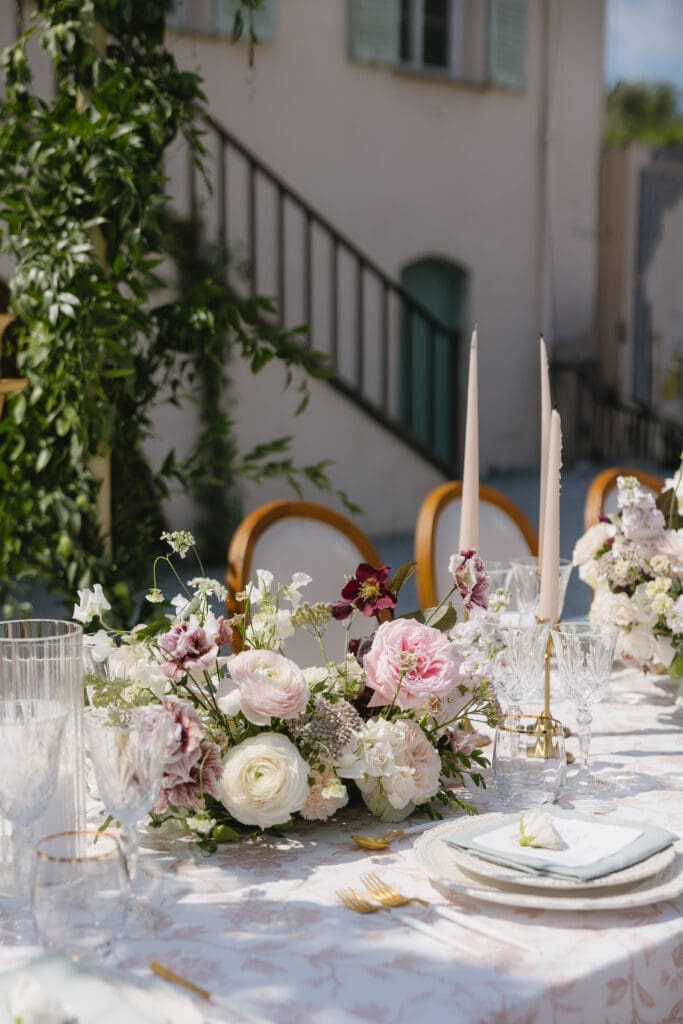
Planning Considerations for Wedding Venues in France
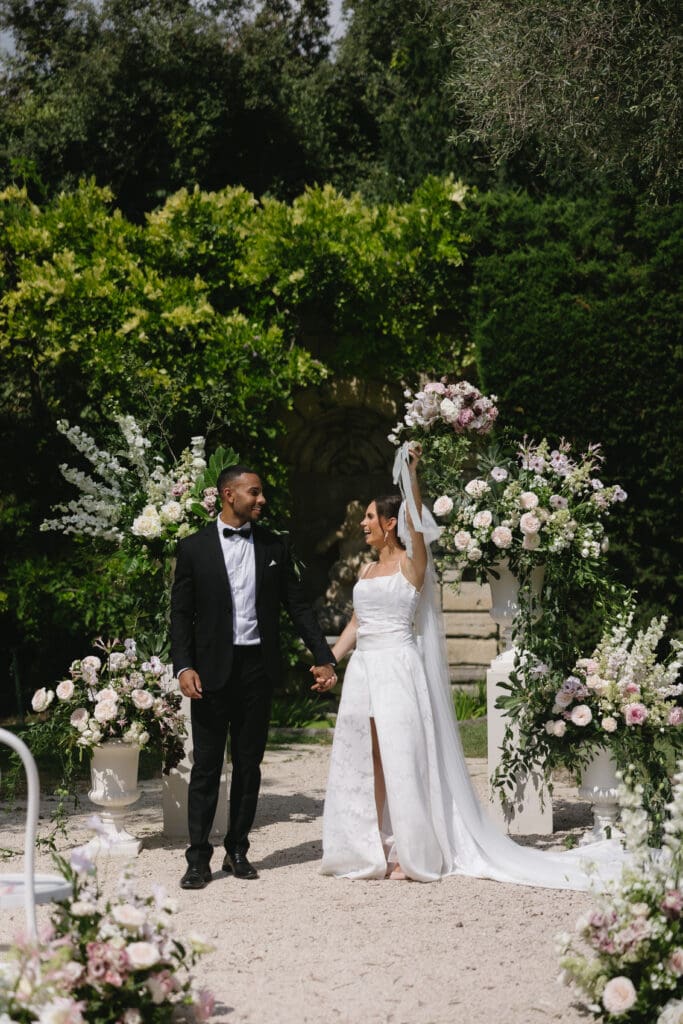
Choosing a wedding venue in France goes beyond aesthetics. Some practical considerations include:
- Accessibility for international guests
- On-site accommodation vs nearby hotels
- Noise restrictions and event timings
- Weather considerations by region
- Seasonality and booking timelines
Most sought-after venues book 12–24 months in advance, particularly for peak seasons from May to September.
A Thoughtful Approach to Choosing Your Venue
The best wedding venues in France are not always the most extravagant, they are the ones that feel aligned with how you want to gather, host, and experience your wedding days.
A well-chosen venue should:
- Support your guest experience
- Allow space for meaningful moments
- Reflect your personal values and lifestyle
- Feel effortless rather than overwhelming
This is where thoughtful planning becomes essential.
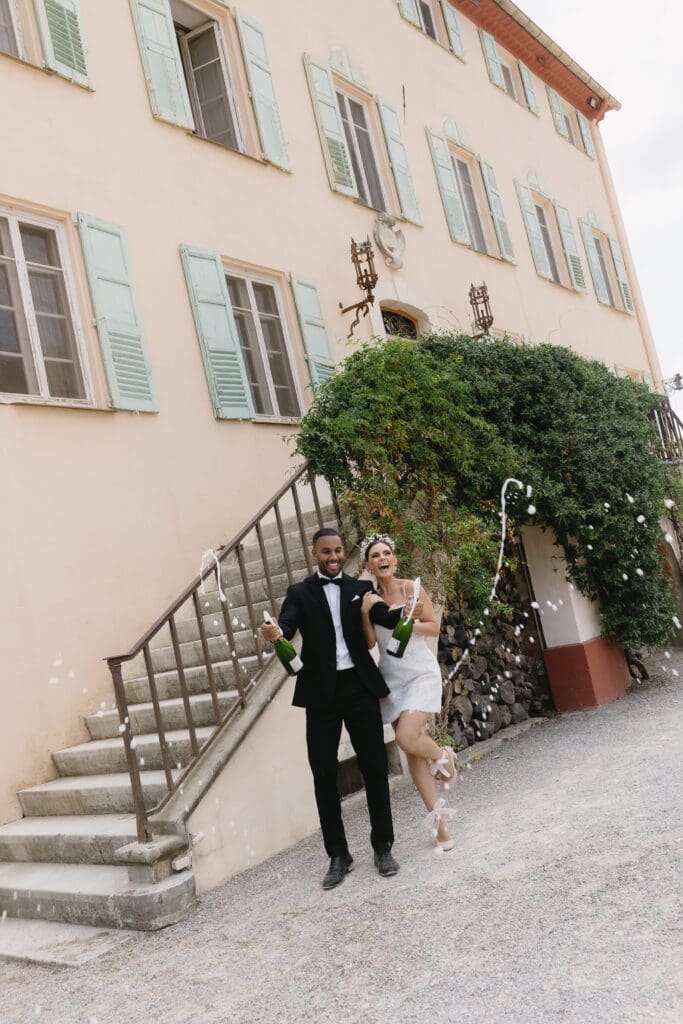
FAQ: Wedding Venues in France
The best wedding venues in France range from historic châteaux and vineyard estates to intimate countryside domaines and coastal villas, depending on the experience you wish to create.
Popular regions include Provence, the Loire Valley, Bordeaux, the French Riviera, and the Paris countryside — each offering a different atmosphere and aesthetic.
Most venues should be booked 12–24 months in advance, especially for weekends and peak wedding season.
Legal weddings in France require residency and documentation. Most international couples choose to have a legal ceremony at home and a symbolic wedding in France.
Yes. France offers many intimate wedding venues ideal for smaller guest counts, particularly private estates and boutique domaines.
See Real Destination Weddings in France
Reading about wedding venues in France is one thing, experiencing how they come together in real settings is another.
Provence is especially popular for couples seeking relaxed, sun-washed settings for their destination wedding. Explore a thoughtfully planned destination wedding in France, where venue choice, atmosphere, and guest experience are considered as a whole.
Final Thoughts
France offers wedding venues that feel timeless rather than trendy, places designed for gathering, conversation, and presence. With the right guidance, choosing a wedding venue in France becomes less about searching endlessly and more about finding a place that quietly feels right.
If you are planning a destination wedding in France and want your venue choice to feel intentional, grounded, and aligned with your vision, thoughtful planning makes all the difference.
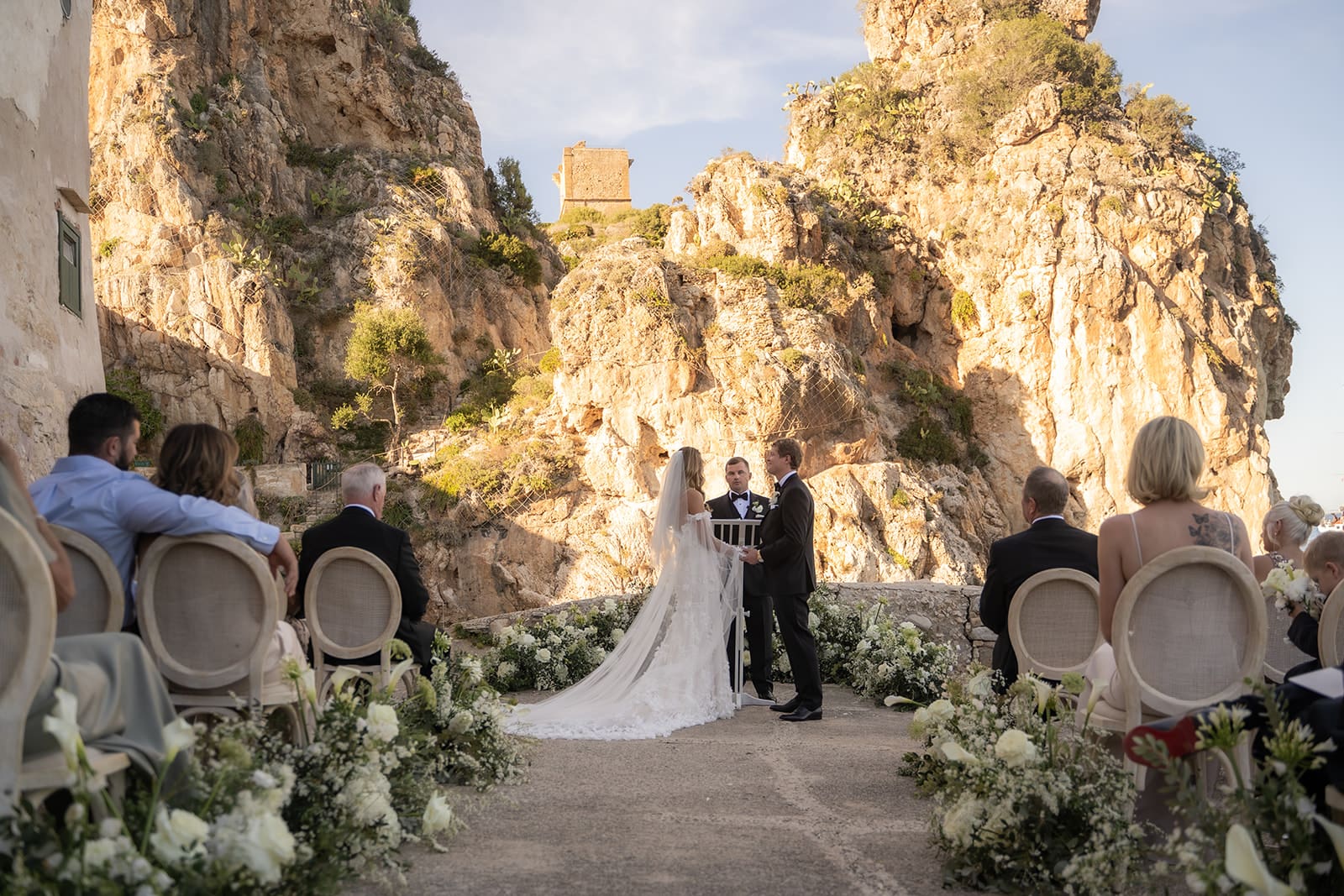
A thoughtful, experience-first approach to timelines, budgets, and planning with intention.
This guide is updated regularly to reflect current destination wedding planning insights and industry changes.
Planning a Destination Wedding in Europe
Planning a destination wedding in Europe is an invitation to slow down and be intentional. With centuries-old venues, layered cultures, and landscapes that feel both grounded and poetic, Europe offers an extraordinary setting for couples who value meaning over spectacle.
Yet planning from afar can feel complex. There are decisions around vision, budgets, venues, legalities, guest logistics, and design—each interconnected and deserving thoughtful attention.
This guide is designed to gently walk you through how to plan a destination wedding in Europe with clarity, structure, and a calm sense of direction.
Quick Guide: Planning a Destination Wedding in Europe
- Best time to get married: April–June and September–October
- Ideal planning timeline: 12–18 months
- Typical budget range: €20,000–€150,000+ depending on guest count and design
- Legal vs symbolic ceremony: Symbolic ceremonies are often the simplest choice
- Hiring a planner: Recommended for couples planning internationally
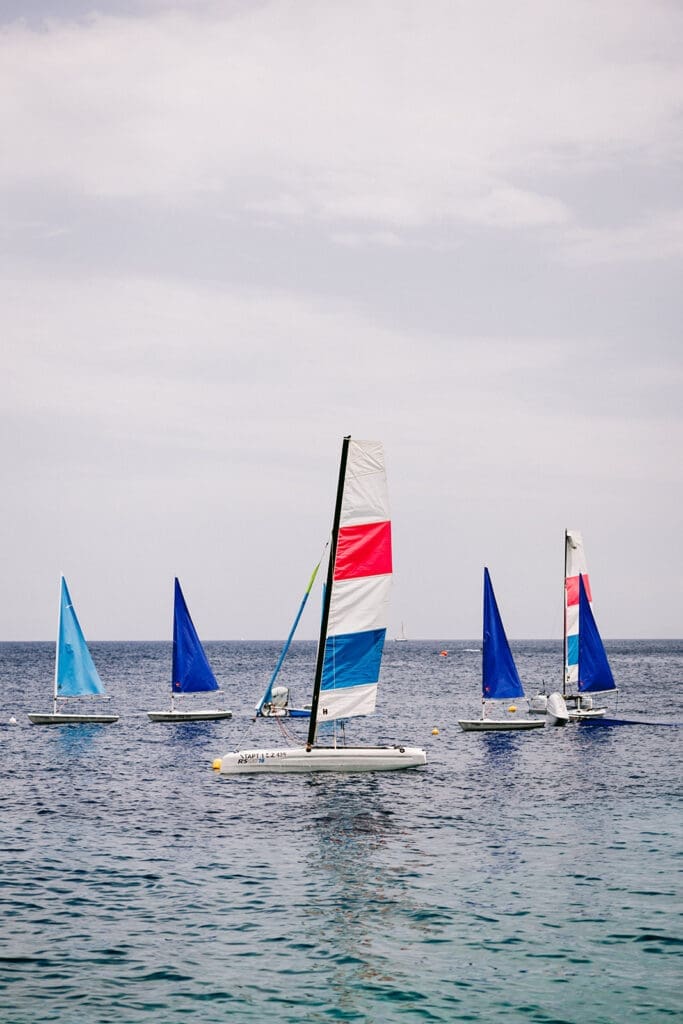

Why Choose Europe for a Destination Wedding
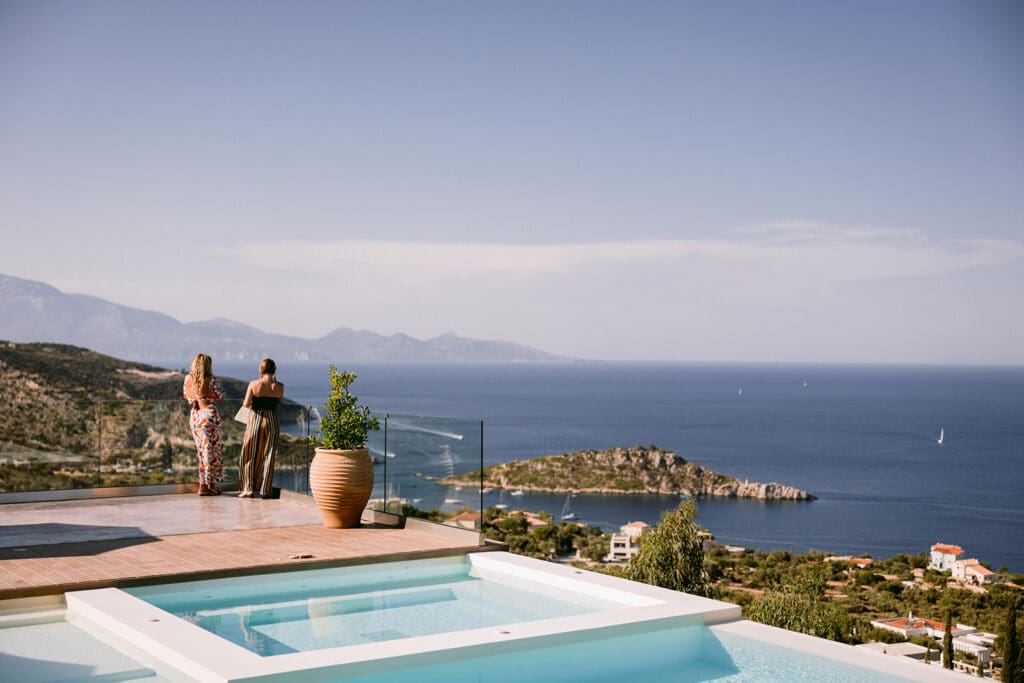
Europe offers a rare depth of character. From coastal villas in Italy and Greece to vineyards in France and countryside estates in Spain, each region carries its own rhythm, architecture, and sense of place.
Many couples choose Europe not just for the scenery, but for the slower pace, the emphasis on shared meals and gatherings, and the opportunity to create a multi-day experience where guests feel immersed in the destination.
A destination wedding in Europe often feels less like an event and more like a meaningful journey.
If you’re still deciding between a destination wedding and a local celebration, this guide explores how to know what feels right for you.
Destination Wedding Planning Timeline in Europe
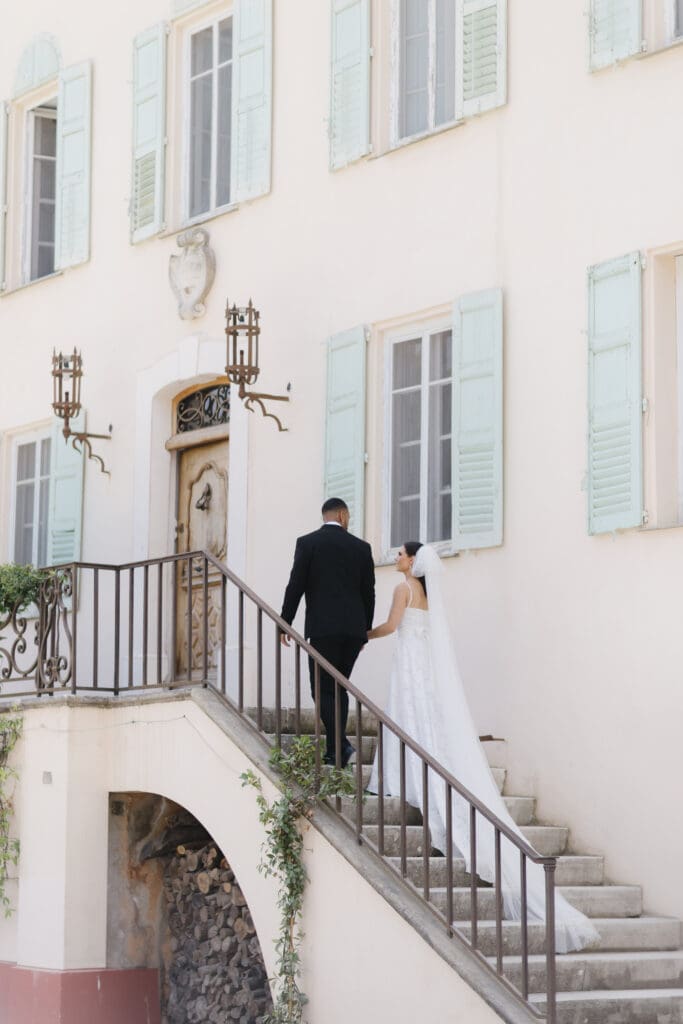
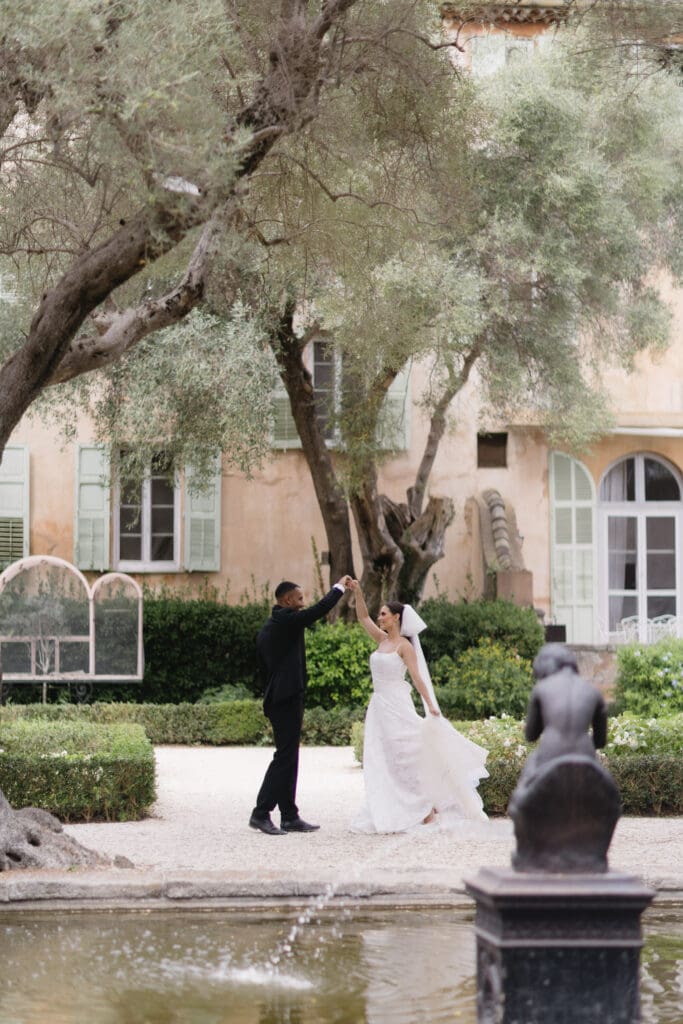
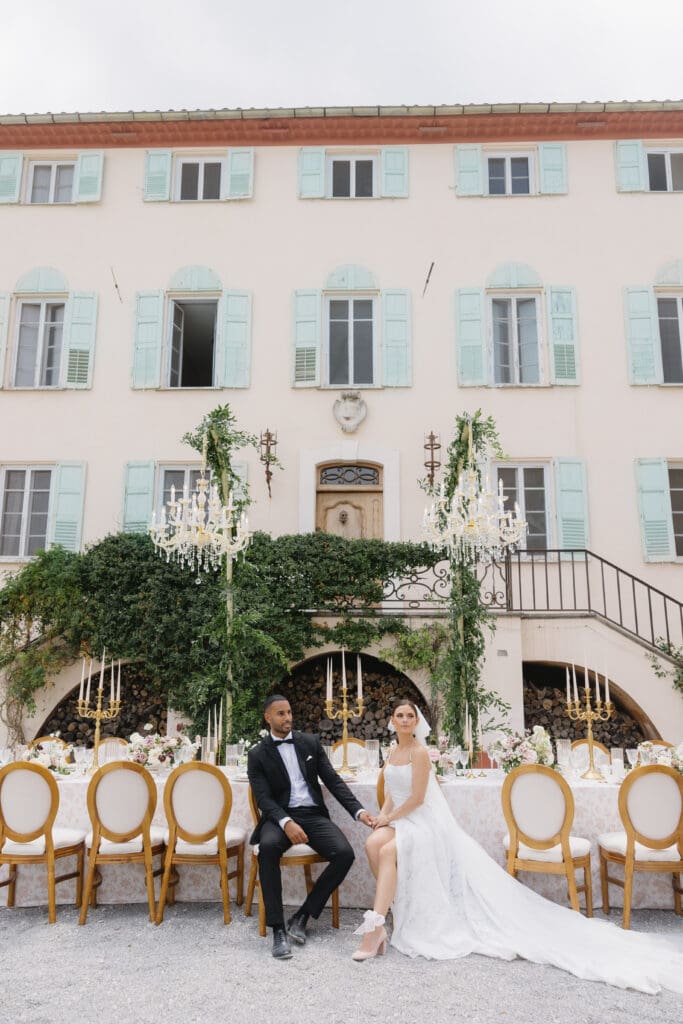
Planning a destination wedding in Europe is most seamless when you begin with intention rather than logistics. Defining how you want the experience to feel before choosing a venue ensures every decision is aligned and meaningful.
12–18 Months Before
Define Your Vision and Foundations
- Define your wedding vision, atmosphere, and guest experience
- Set your preliminary budget and guest count
- Hire a destination wedding planner to guide the process
- Explore potential destinations and venue styles that align with your vision
This is the most important stage, your venue should support your vision, not define it.
9–12 Months Before
Secure Your Venue and Core Team
- Select and book your venue
- Book key vendors such as photographer, florist, catering, and rentals
- Send save-the-dates to guests
Timing invitations for a destination wedding is different from local planning—this guide explains exactly when to send your save-the-dates
6–9 Months Before
Design and Guest Experience Planning
- Finalise styling and design direction
- Plan guest accommodations and travel guidance
- Outline multi-day experiences (welcome dinner, excursions, farewell brunch)
3–6 Months Before
Details and Invitations
- Confirm menus, rentals, and ceremony details
- Send formal invitations
- Finalise styling and production details
1–3 Months Before
Logistics and Final Confirmations
- Finalise timelines with vendors
- Confirm guest RSVPs and seating
- Plan travel logistics and on-site coordination
Most couples planning a destination wedding in Europe begin the process 12 to 18 months in advance, starting with vision, budget, and planning support before selecting a venue. Your venue is a setting. Your vision is the experience. The order matters.
Best Time to Get Married in Europe
The most popular months for destination weddings in Europe are April through June and September through October. These shoulder seasons offer mild weather, fewer tourists, and more availability at venues and hotels.
July and August are peak travel months in many European destinations, which can mean higher costs and limited availability. Winter weddings can be beautifully atmospheric but require careful planning around weather and accessibility.
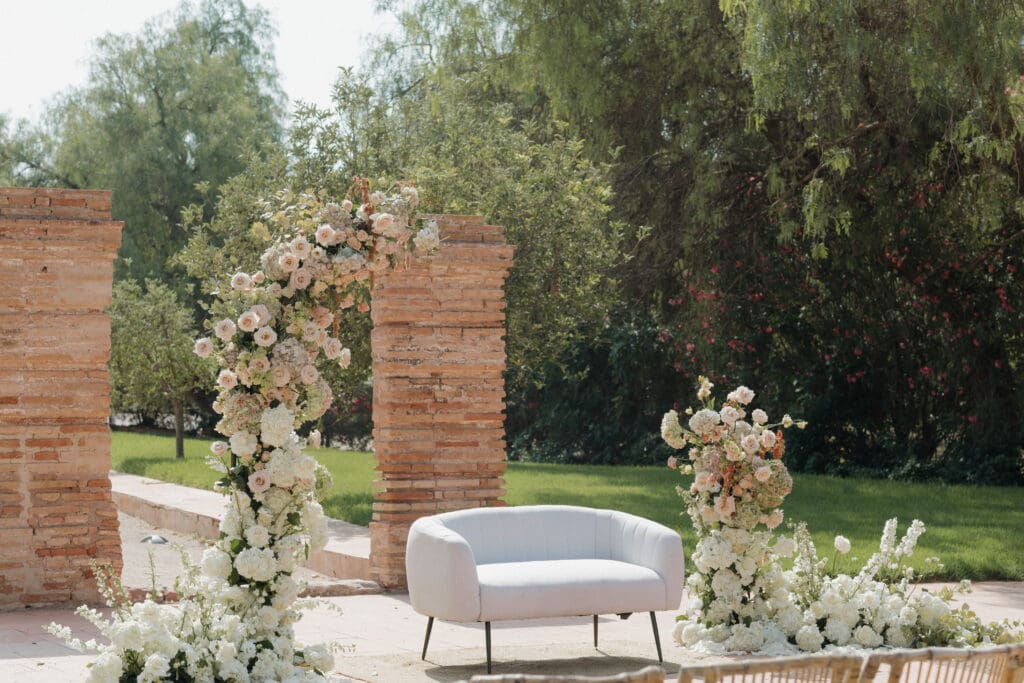
How to Choose a Destination Wedding Venue in Europe
Selecting a venue is both a practical and emotional decision. Beyond aesthetics, consider how the venue will support your guests and your experience.
Key considerations include:
- Guest capacity and accommodation options
- Accessibility for international travel
- Indoor and outdoor ceremony spaces
- Weather contingency plans
- Noise curfews and local regulations
- Vendor flexibility and exclusivity policies
A thoughtful venue choice balances beauty with ease, ensuring your guests feel welcomed and cared for.
If choosing a venue feels overwhelming, I’ve written a guide on how to decide before you fall down the venue rabbit hole.
Legal vs Symbolic Destination Weddings in Europe
Legal Weddings
Legal ceremonies require official documentation such as birth certificates, passports, and translations. Some countries also have residency requirements and specific timelines for submitting paperwork.
Symbolic Weddings
Symbolic ceremonies allow couples to legally marry at home and host their ceremony abroad. This option offers flexibility, fewer administrative requirements, and is often preferred by international couples who want to focus on the experience rather than paperwork.
You can explore the different types of ceremonies in Europe, including legal and symbolic options, in this guide.
Destination Wedding Costs in Europe
The cost of a destination wedding in Europe varies depending on location, guest count, and design vision. Typical ranges for intimate to luxury weddings include:
- Venue: €5,000–€25,000+
- Catering: €150–€350 per guest
- Wedding planner: 10–20% of the total budget
- Photography: €4,000–€12,000
- Flowers and styling: €5,000–€30,000+
- Travel and accommodation: varies by destination and guest count
Many couples find destination weddings allow them to curate a smaller, more intentional gathering that prioritises connection and presence.
If you’d like a thoughtful breakdown of how to prioritise your budget without overwhelm, you can explore my guide on setting wedding priorities here.
Why Hire a Destination Wedding Planner in Europe
Planning from another country involves navigating contracts, timelines, cultural nuances, and vendor coordination across time zones. A destination wedding planner provides local expertise, trusted vendor relationships, and a structured approach to planning.
A planner also ensures guest logistics are thoughtfully managed, allowing you to remain present in the experience rather than focused on logistics.
Destination Wedding Checklist
- Define your vision and guest experience
- Set your budget and guest list
- Hire a destination wedding planner
- Choose your destination and venue
- Book key vendors
- Plan guest travel and accommodations
- Decide on a legal or symbolic ceremony
- Finalise styling and design
- Confirm timelines and logistics
Frequently Asked Questions About Destination Weddings in Europe
Most couples plan 12–18 months in advance to secure venues and preferred vendors, especially in popular destinations.
It can be, particularly for intimate guest counts. Destination weddings often prioritise quality over quantity, which can be more cost-efficient than large local weddings.
Typically, guests cover their own travel and accommodation, while the couple hosts wedding events such as the ceremony and reception. However, in some cases, the couple hired a venue that included on site accommodation for the entire guestlist and that is part of the venue rental fees.
Yes. Symbolic weddings reduce administrative complexity while still offering a deeply meaningful ceremony experience.
Thoughtful Approach to Planning
Planning a destination wedding in Europe is not about following trends or recreating what you see online. It is about designing an experience that reflects how you live, connect, and gather.
When planning is rooted in intention, every detail—from venue choice to guest journey—feels aligned and effortless.
If you are dreaming of an intimate wedding in Europe and would like guidance from someone who understands both logistics and emotional flow, I would love to explore what is possible with you.
